Working notes on the integrations operations actually run on — WhatsApp Business API, Google Workspace, Razorpay — and on how we scope, measure and hand over. Written by the engineers doing the work, not a content team.
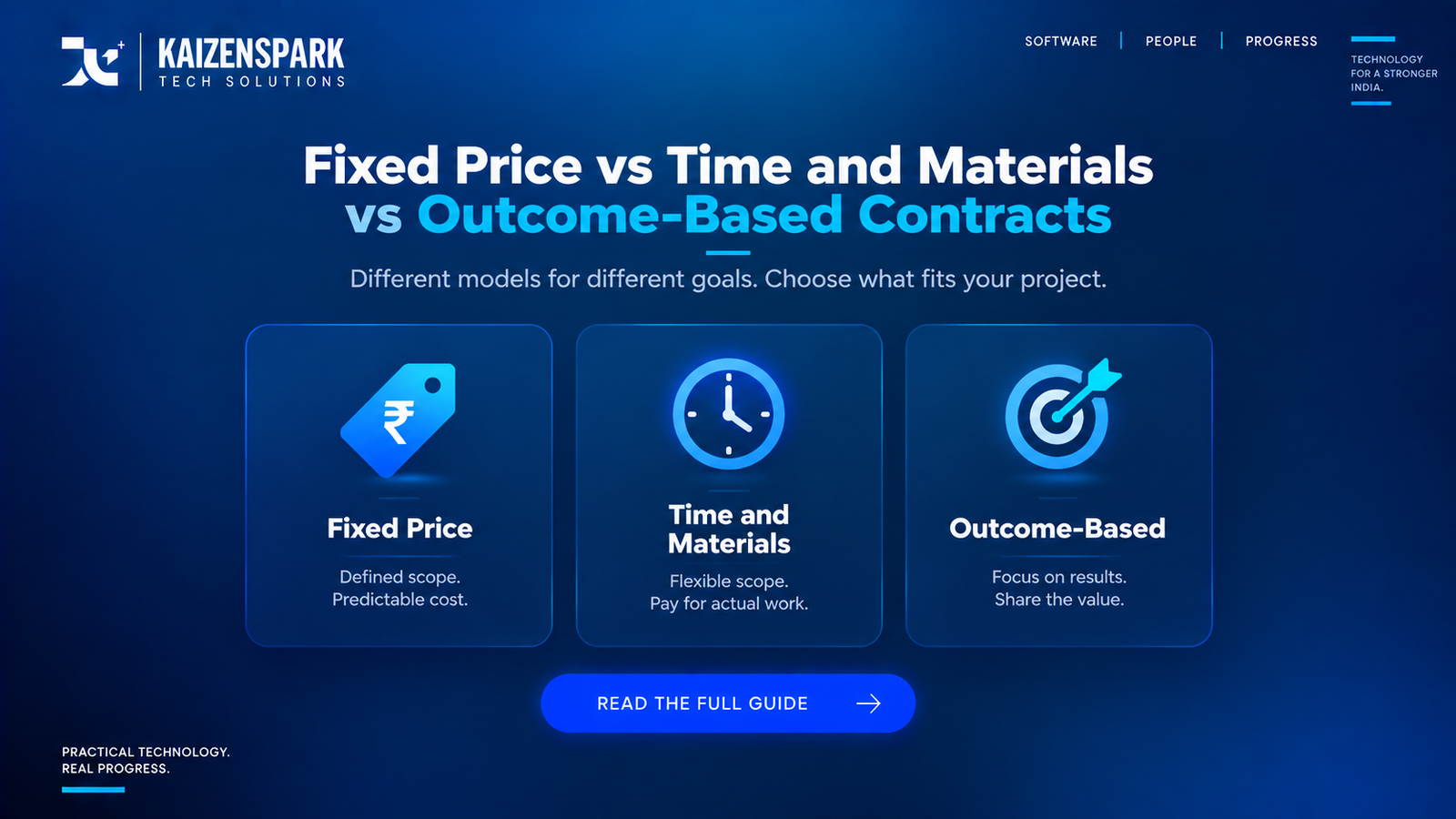
The UK Cabinet Office tells its own buyers: fixed price only works with fixed scope. Almost no genuinely new software has fixed scope. Here is what that means for how you should actually pay.
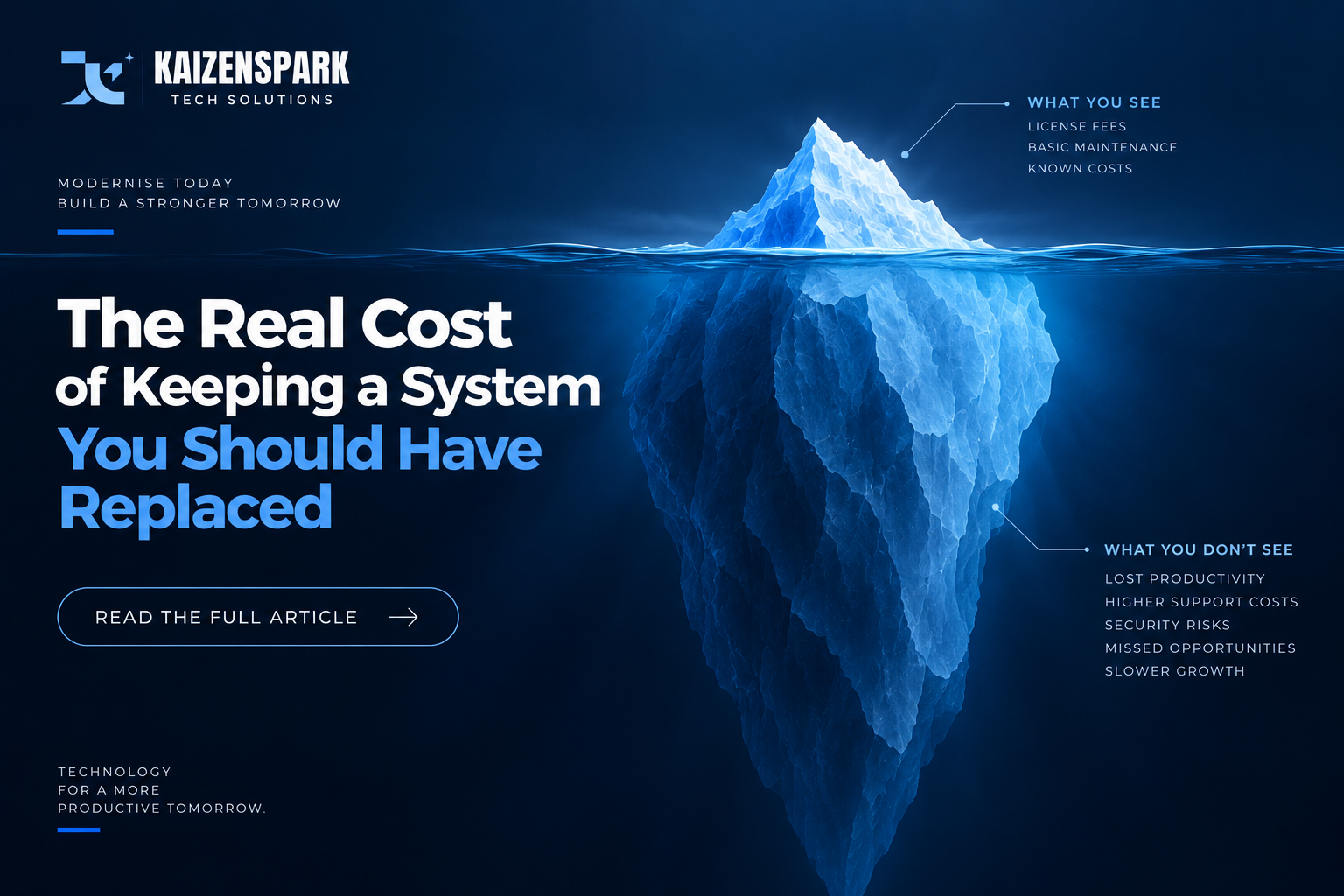
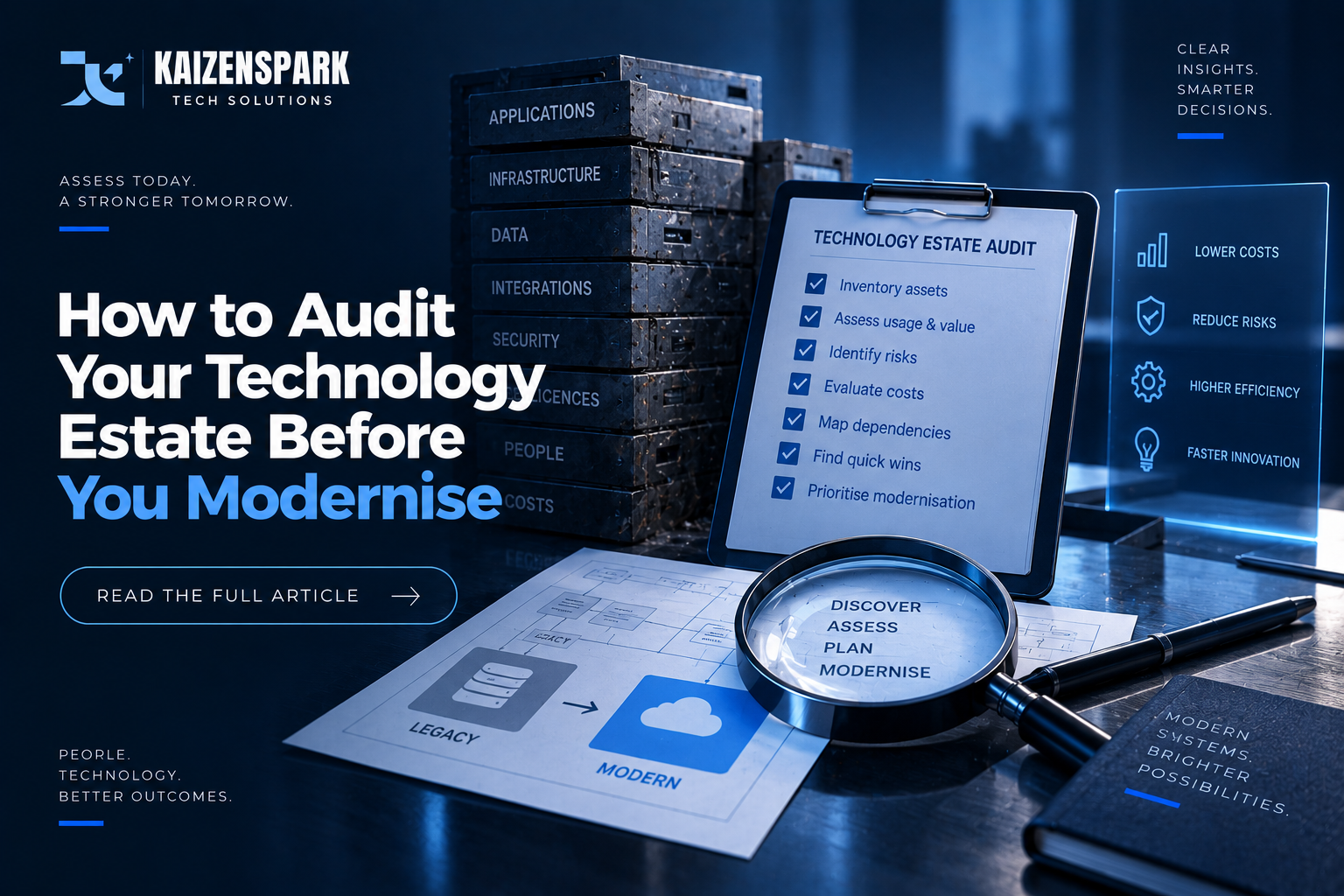
The US federal government spends $754 million a year maintaining just eleven of its oldest systems, some running languages taught to almost nobody currently in the workforce. Here is how to decide what to do about the equivalent system in your own organisation.
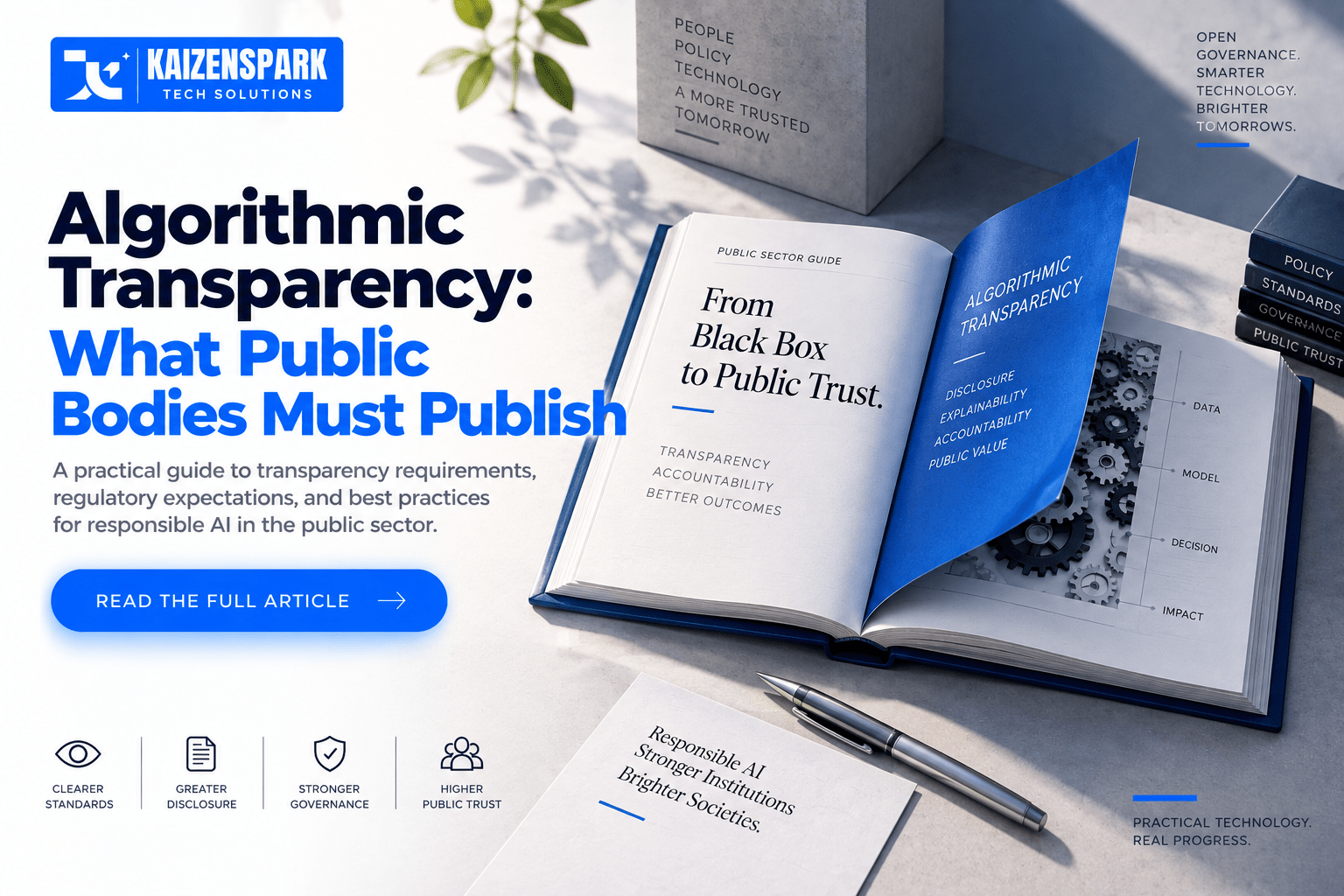
The UK has mandated algorithmic transparency records across central government since February 2024. Most technology vendors selling into the public sector have not read the standard they will be asked to comply with.
Government & Public Sectoralgorithmic transparencyATRSgovernment AIpublic sector
These three words get used interchangeably in planning meetings and they describe very different risk profiles. Confusing them is how a two-month refactor quietly becomes an eighteen-month rewrite.
Eleven of the US federal government's oldest IT systems cost $754 million a year to maintain. None of that figure appears on a single line labelled 'cost of not modernising' — it is scattered across budgets that make delay look free.
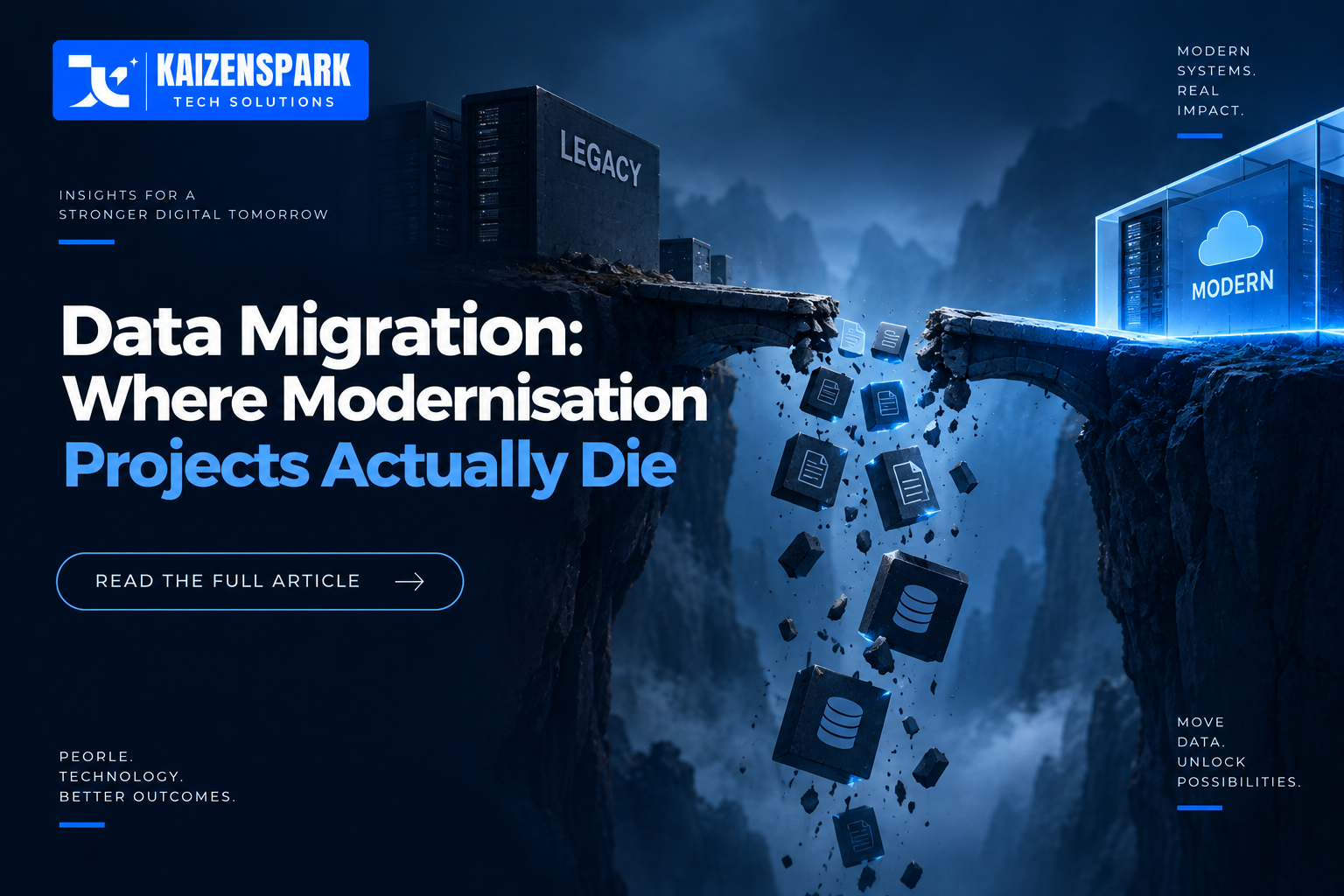
The application layer gets the planning attention. The data underneath it is where modernisation projects actually run aground, usually because nobody looked closely at it until the migration was already underway.
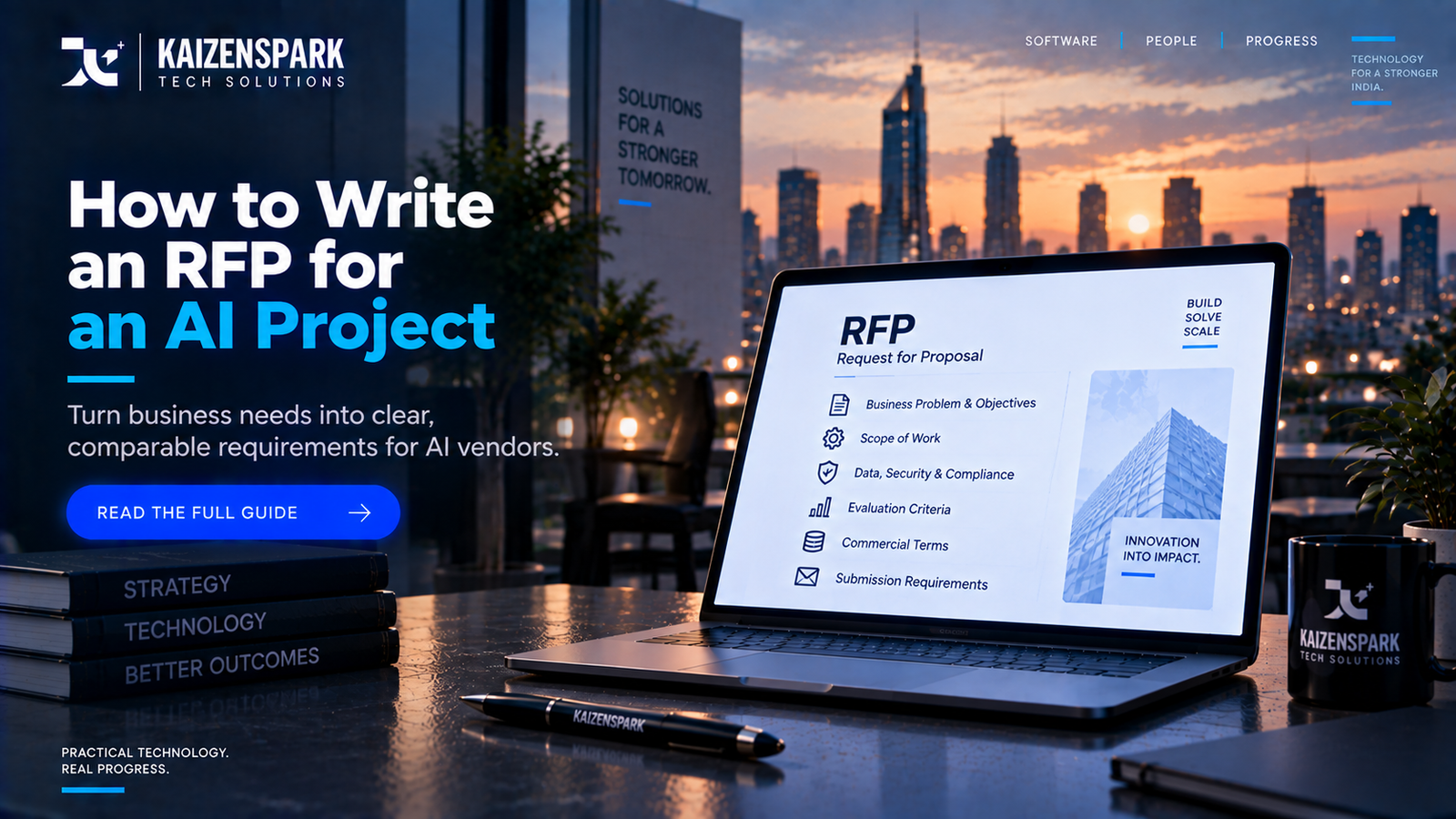
Most AI RFPs describe a technology. The ones that produce good outcomes describe a problem, a baseline, and how success will be measured. Here is the structure that gets you real answers.
Government & Public SectorRFPprocurementtenderAI projects
Many vendor websites still say high-risk obligations landed on 2 August 2026. They didn't — the AI Omnibus pushed that date to December 2027. Here is what actually applies, and when.
Government & Public SectorEU AI ActcomplianceregulationAI Omnibus
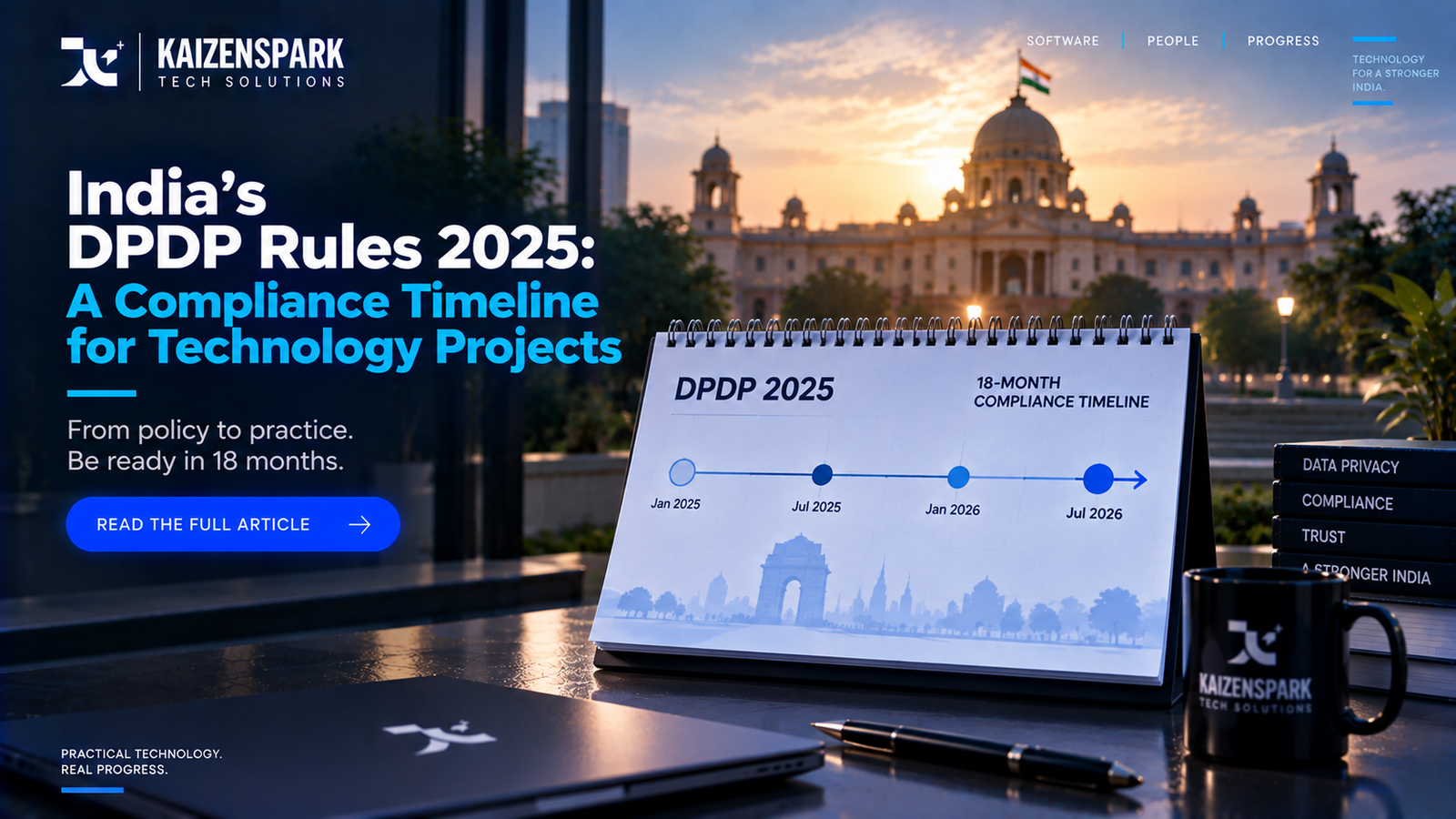
The DPDP Rules were notified on 14 November 2025 with an eighteen-month phased window. The era of treating India's data law as 'an Act awaiting rules' is over — here is what technology buyers need to do before May 2027.
Government & Public SectorDPDPIndiadata protectioncompliance
UK central government awards just 10% of its direct spend to SMEs, down from 13% in 2020. Across the EU, the average number of bidders per contract has almost halved. Here is how a smaller vendor competes anyway.
Government & Public SectorSMEgovernment contractsprocurementsmall vendors
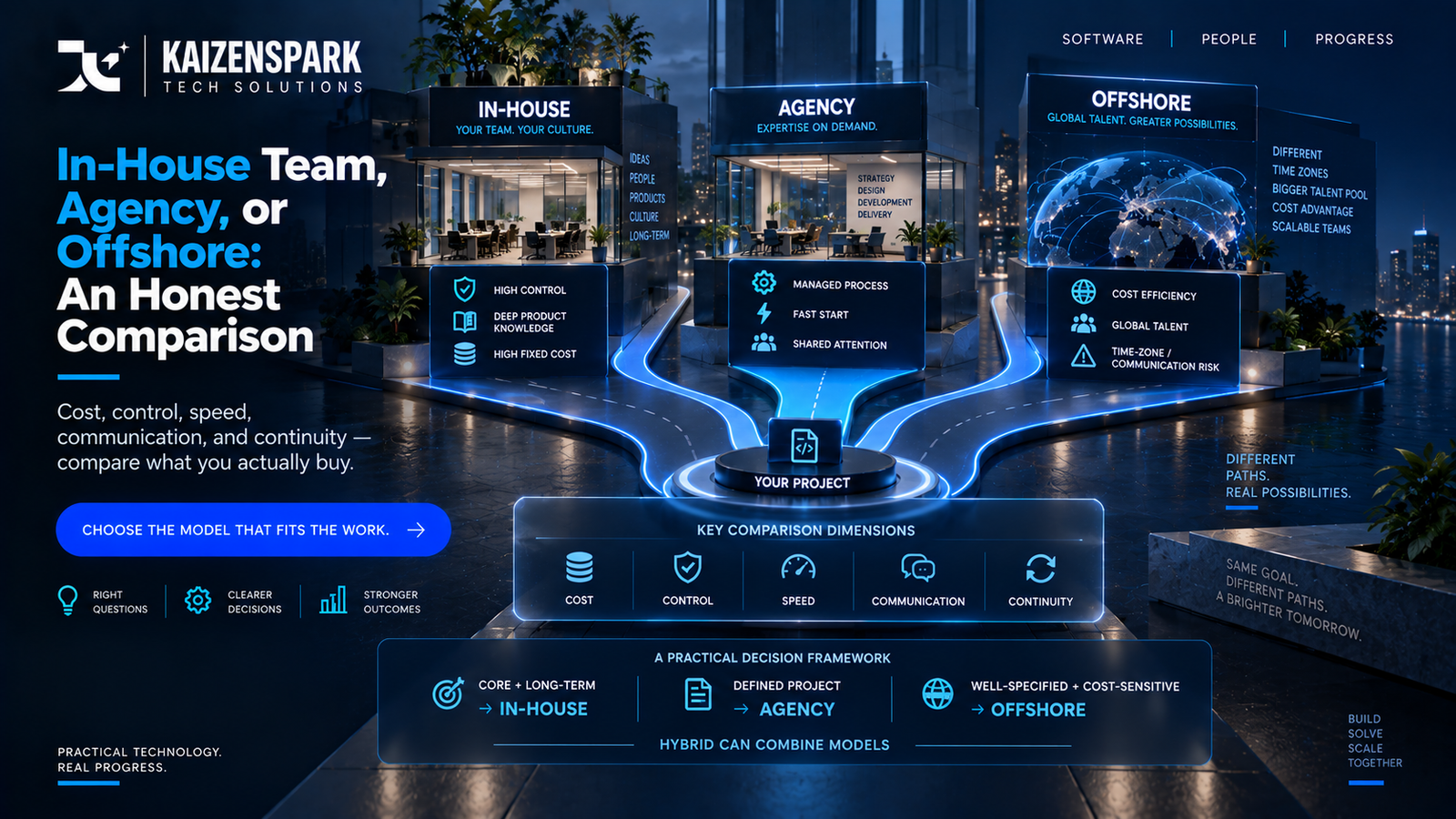
The systematic evidence says the choice between building a team, hiring an agency, or going offshore matters less than how the relationship is governed. But each option still carries a different, predictable set of trade-offs worth naming honestly.
Business & Enterprisein-house vs outsourcingoffshore developmenthiringengineering teams
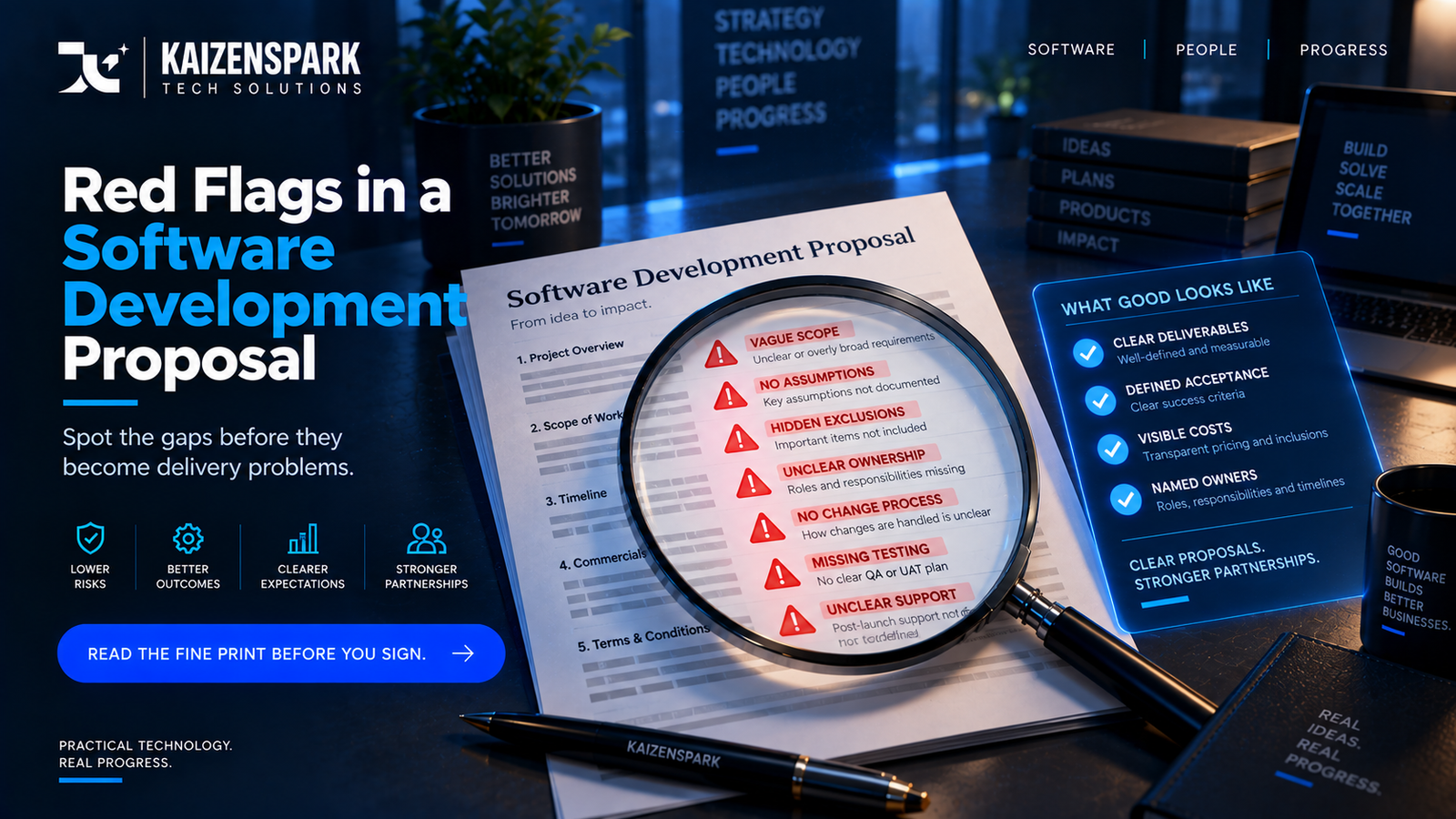
Most bad vendor relationships were visible in the proposal, before anyone signed anything. Here is what to look for while you still have the leverage to walk away.
Business & Enterprisevendor selectionred flagsproposalsprocurement
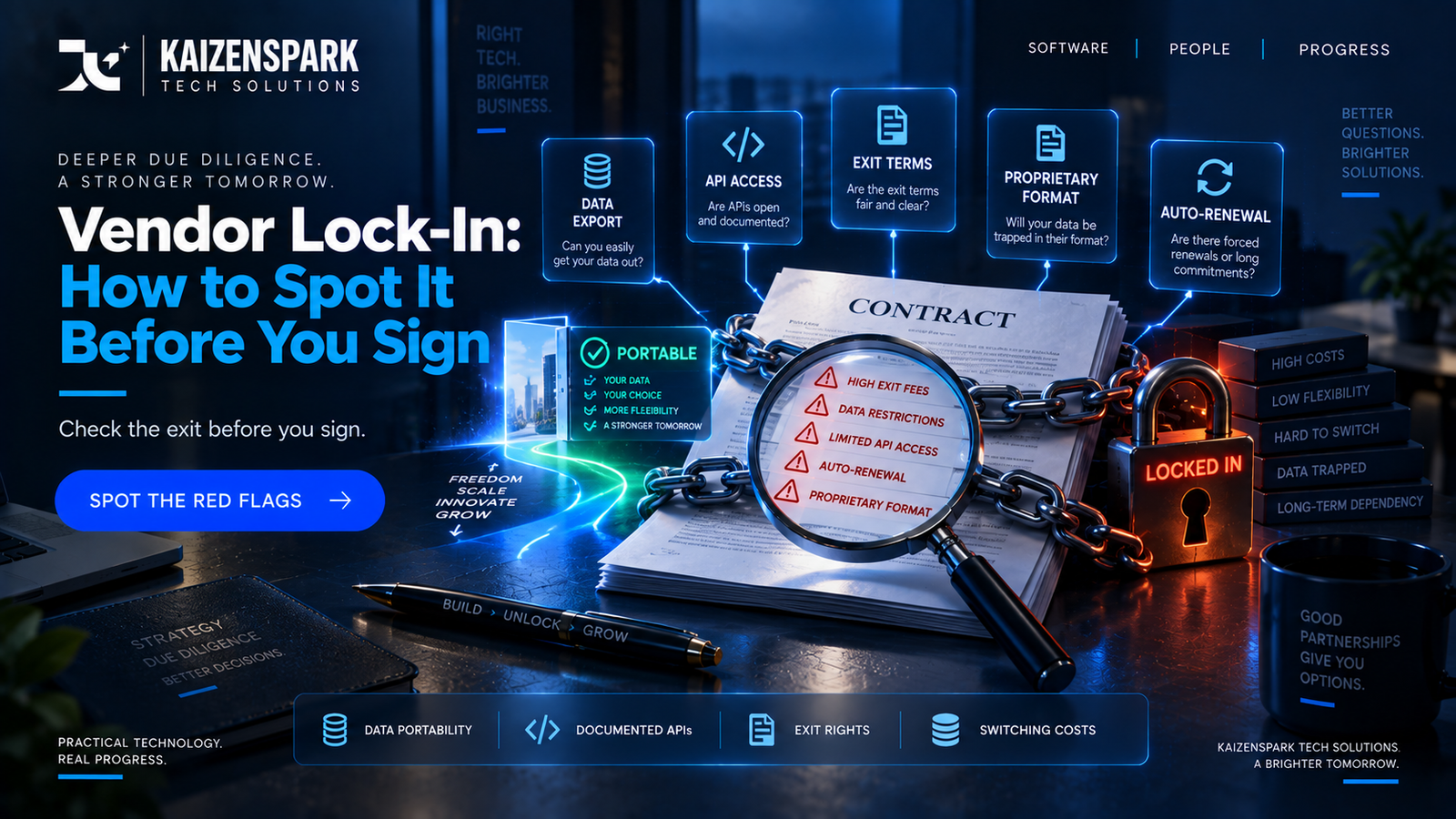
A UK regulator spent two years investigating cloud pricing and found that less than 1% of customers switch provider each year. That statistic describes what lock-in looks like once it has already happened. Here is how to spot it before it does.
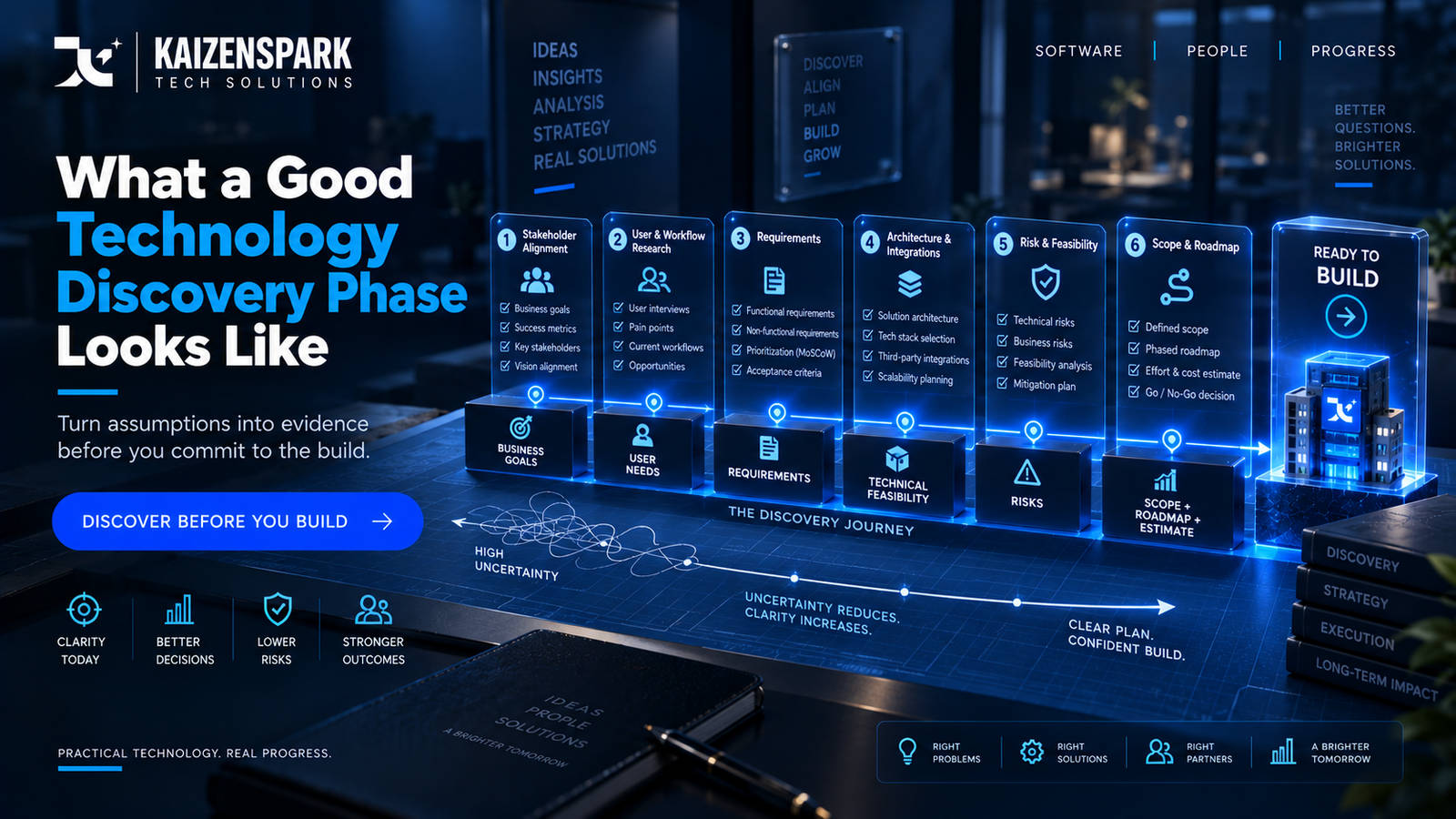
Discovery is often sold with a claim that traces to an internal IBM training programme with no published dataset. That does not mean discovery is worthless — it means the pitch for it has been resting on the wrong evidence.
Business & Enterprisediscovery phaserequirementssoftware developmentproject planning
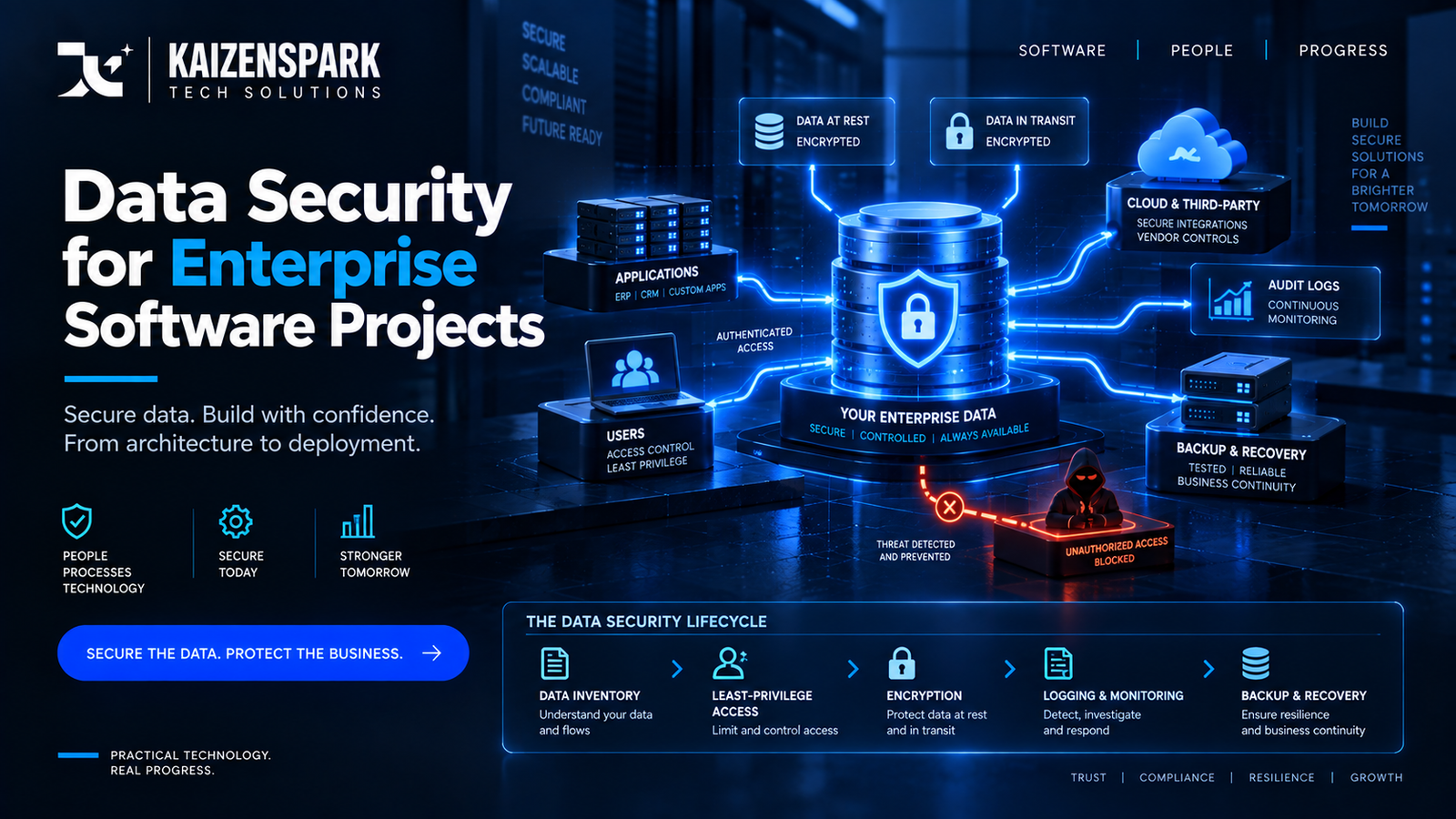
The global average cost of a data breach is now $4.99 million. Most enterprise software projects treat security as a checklist at the end rather than a design constraint from the start — and the difference shows up in exactly that number.
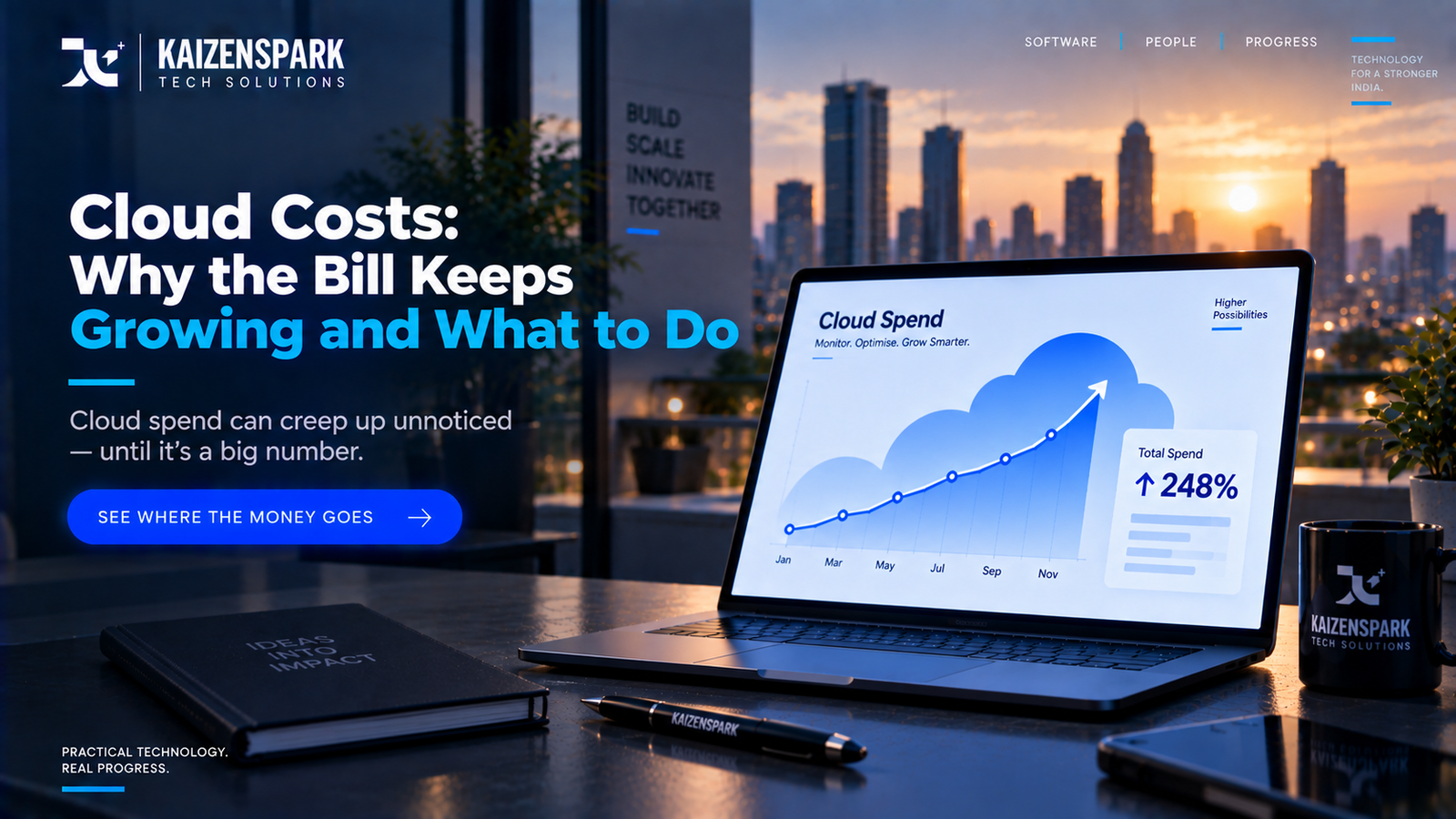
A UK regulator spent two years investigating cloud pricing and concluded competition 'is not working well.' Fewer than 1% of customers switch provider a year. Here is what that means for your bill.
CIOs estimate technical debt at 20 to 40% of their entire technology estate's value. Developers rank it their single biggest workplace frustration. Here is how to size it in your own codebase.
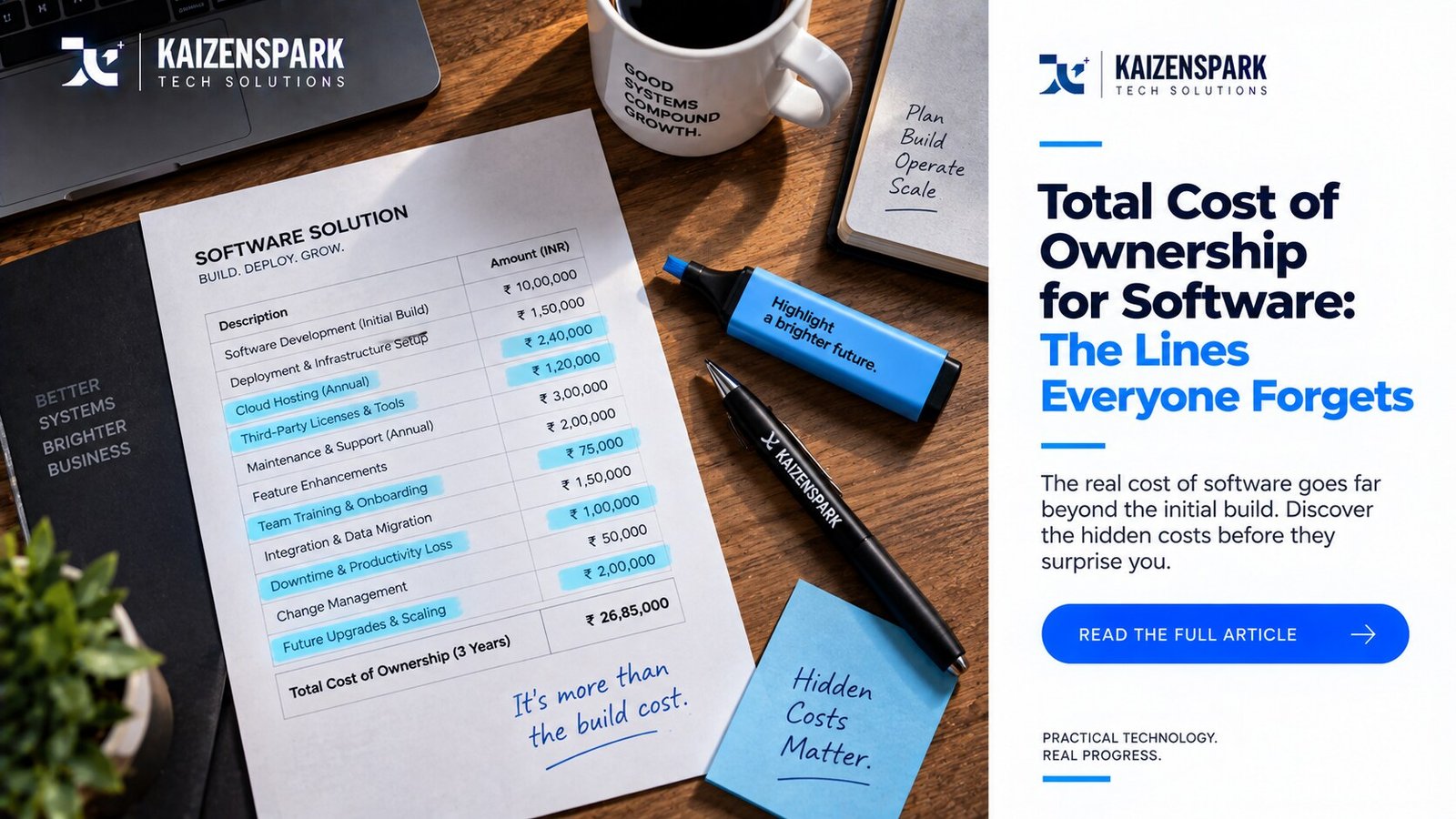
A build quote is one number in a five-year calculation. Here is what the other four years actually contain, and how to price them before you sign anything.
Technology EconomicsTCOtotal cost of ownershipbudgetingsoftware economics
UK government data shows AI use ranges from 82% at large firms down to 40% at sole traders — the same size gradient the US Census finds. Here is where automation pays for a business without an enterprise budget.
AI & Automationsmall businessSMBAI adoptionautomation
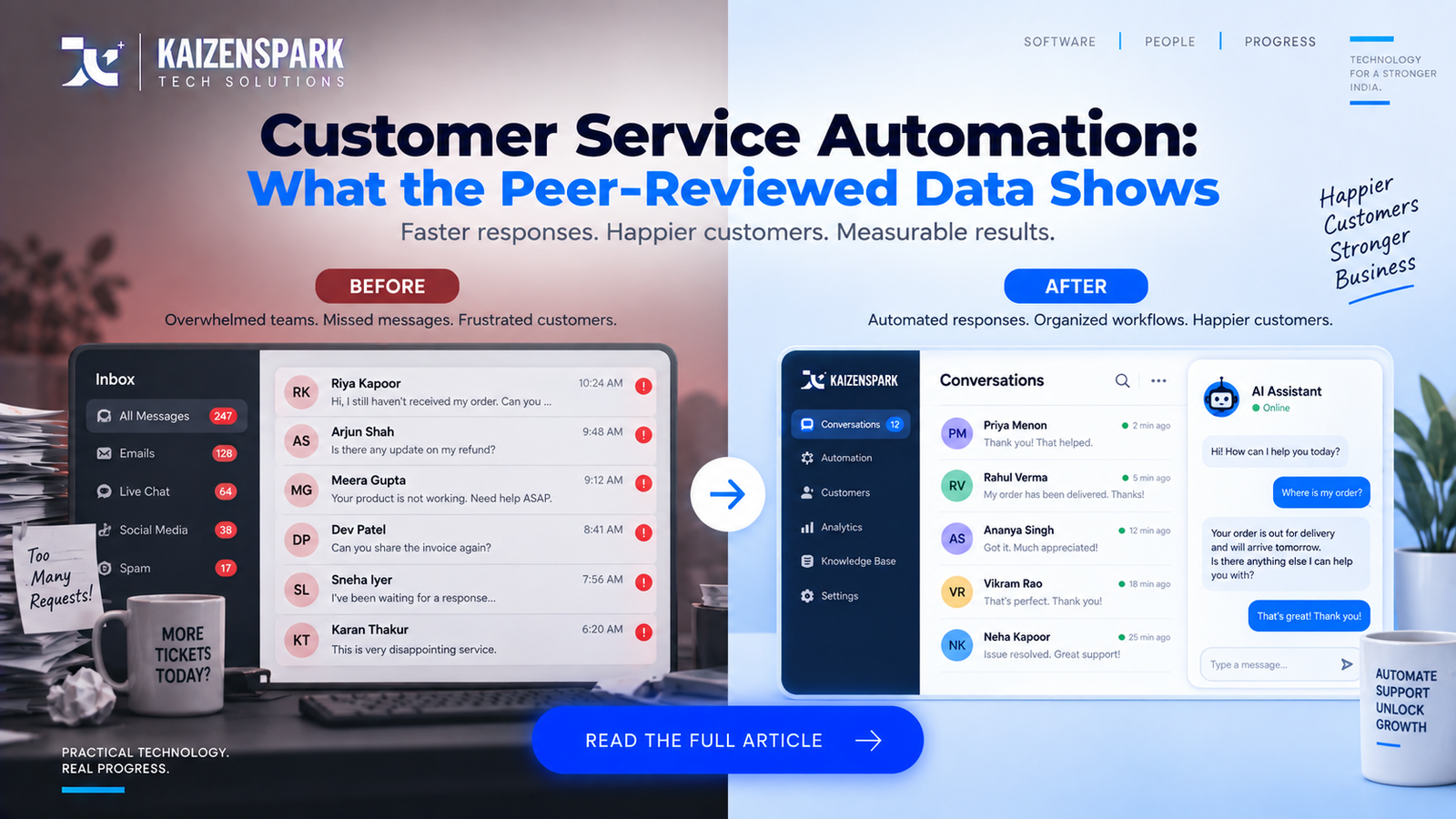
One study anchors almost everything credible we know about AI in customer service: 5,179 agents, a 14% average gain, and 34% for the newest staff. Here is what it found, and what remains genuinely unknown.
AI & Automationcustomer serviceAI automationevidencesupport
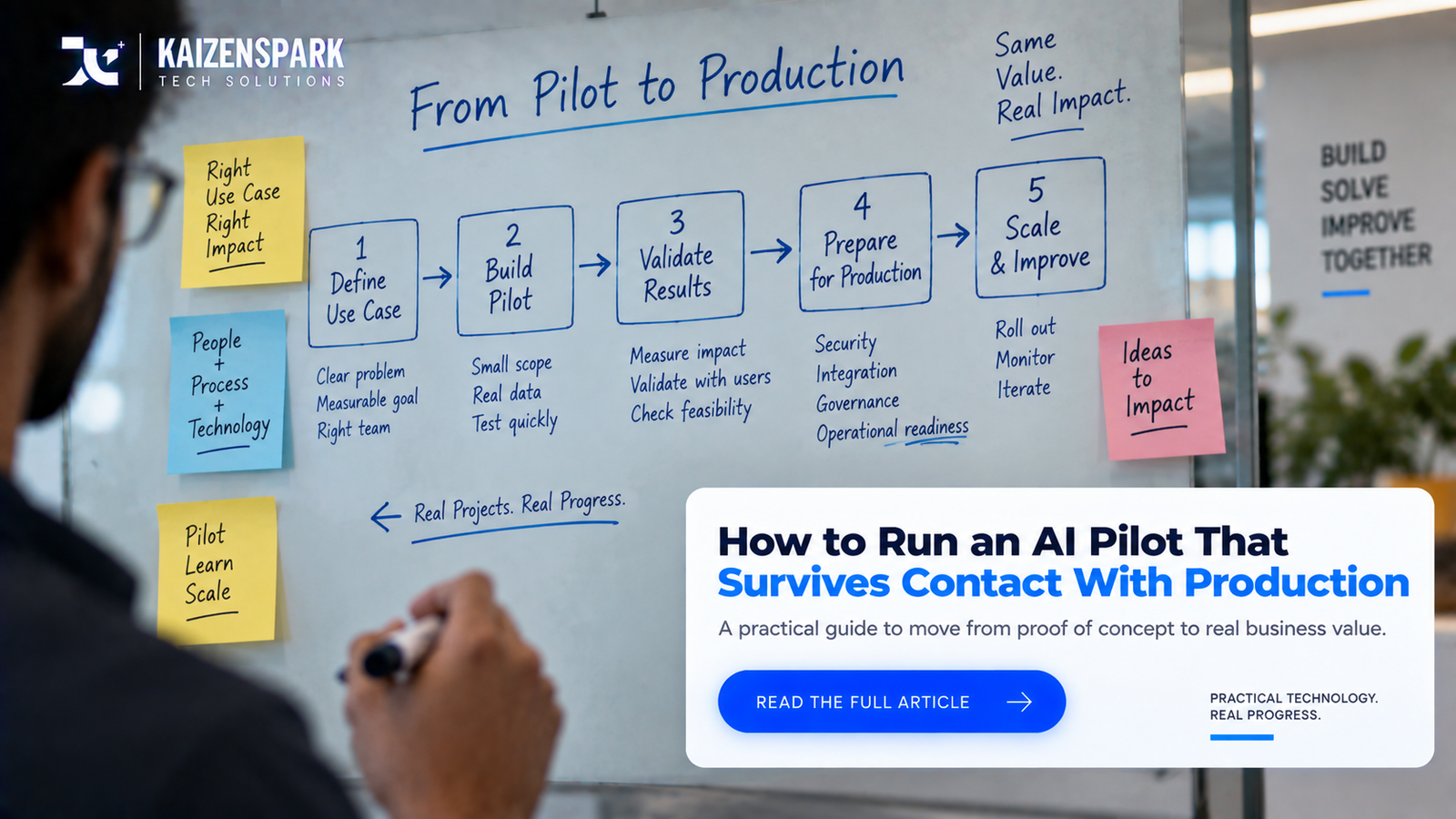
The UK government ran a rigorous, 1,000-person trial of AI coding assistants and published the uncomfortable result alongside the good one. That is what a trustworthy pilot looks like.
AI & AutomationAI pilotsproductionevaluationrollout
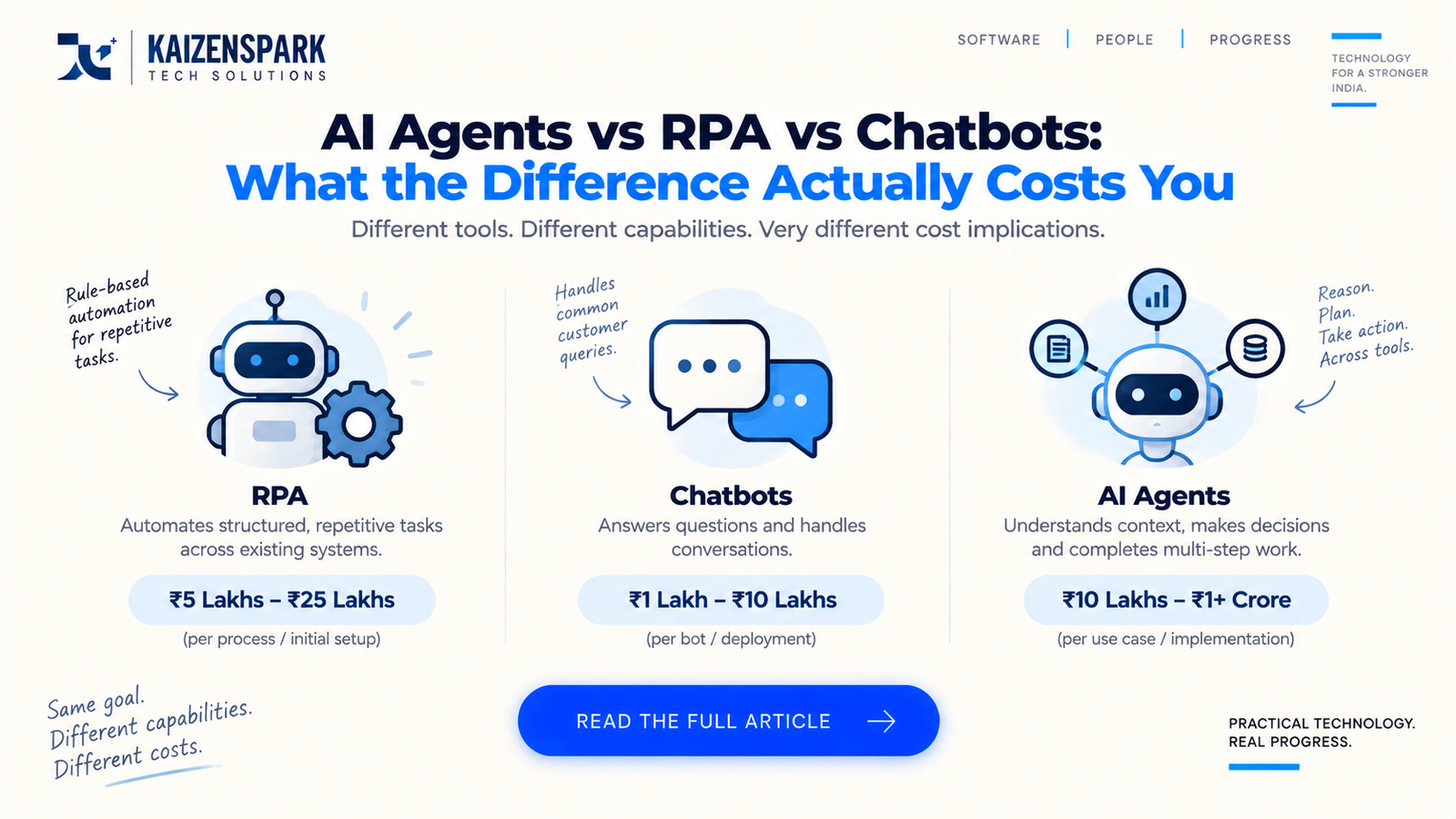
Every ROI comparison you'll find between AI agents and RPA was commissioned by a vendor selling one of them. Here is what's actually known, and what isn't.
AI & AutomationAI agentsRPAchatbotsautomation strategy
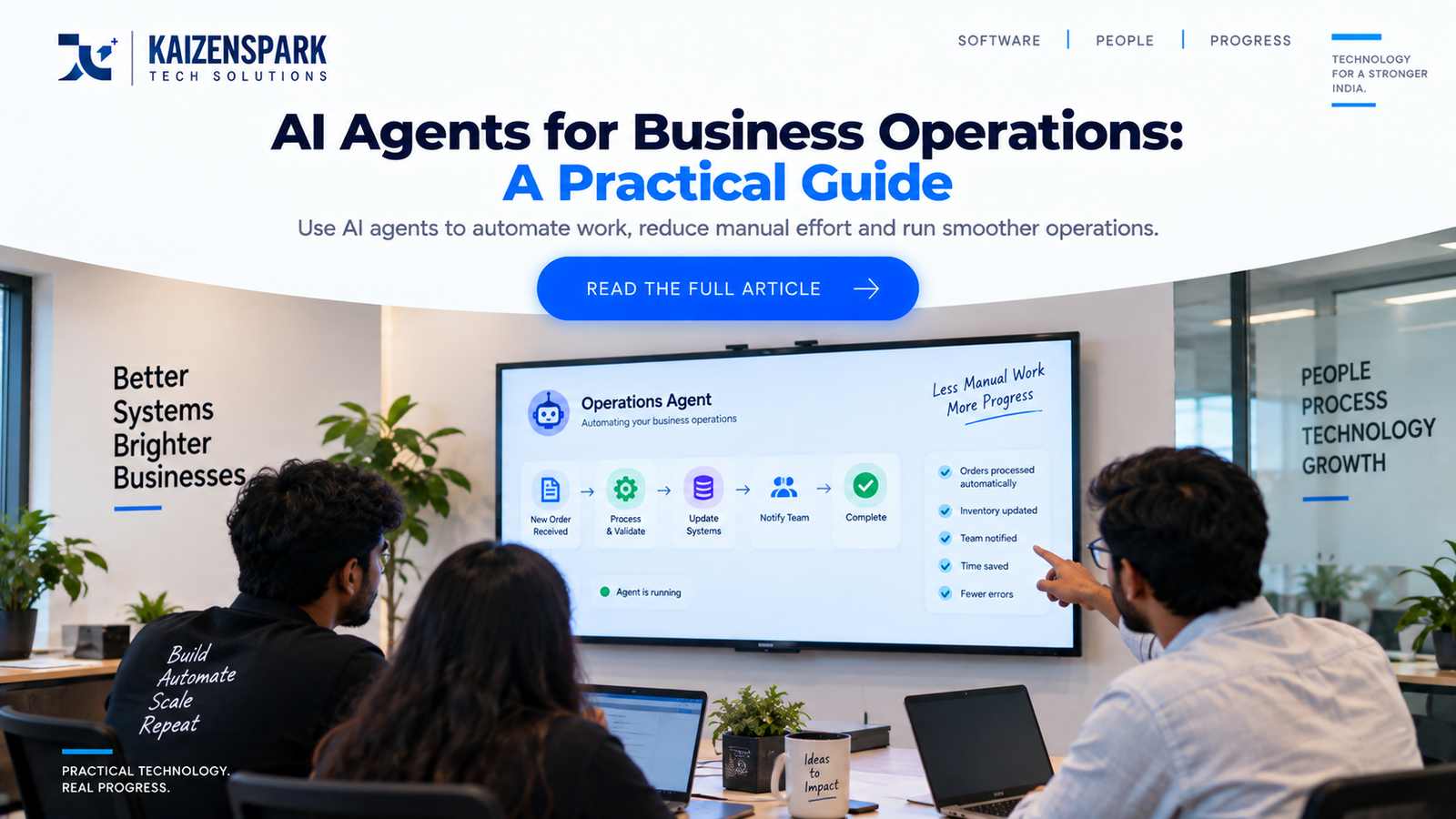
Gartner calls it 'agent washing': rebranding an existing chatbot or automation script as an agent, with none of the underlying capability. Here is how to tell the difference before you pay for it.
AI & AutomationAI agentsdefinitionsagent washingRPA
Nine in ten companies say they use AI. Gartner estimates only about 130 of the thousands of vendors selling 'agents' have built anything that deserves the name. This is the guide to telling the difference.
AI & AutomationAI agentsautomationagentic AIenterprise AI
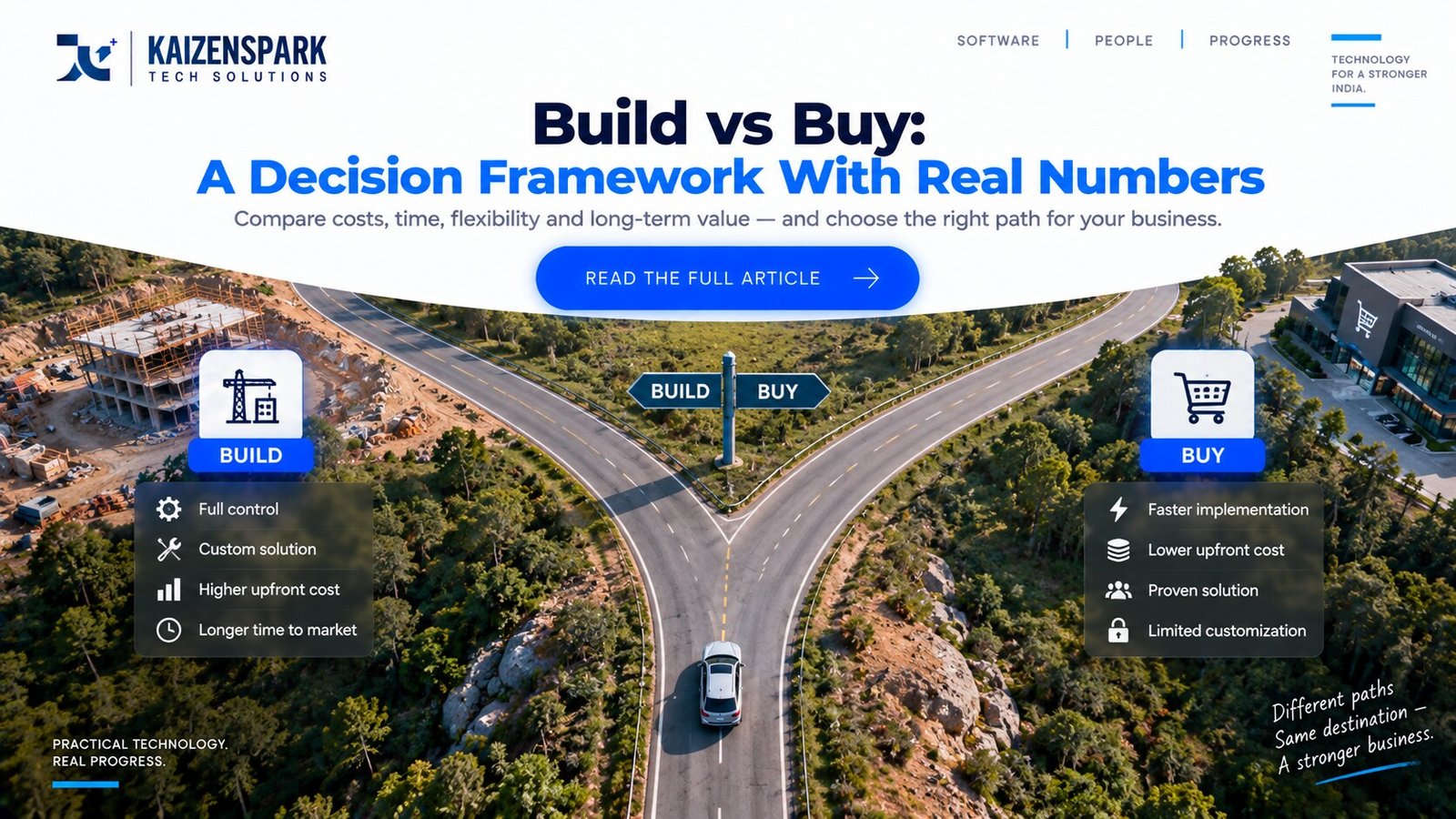
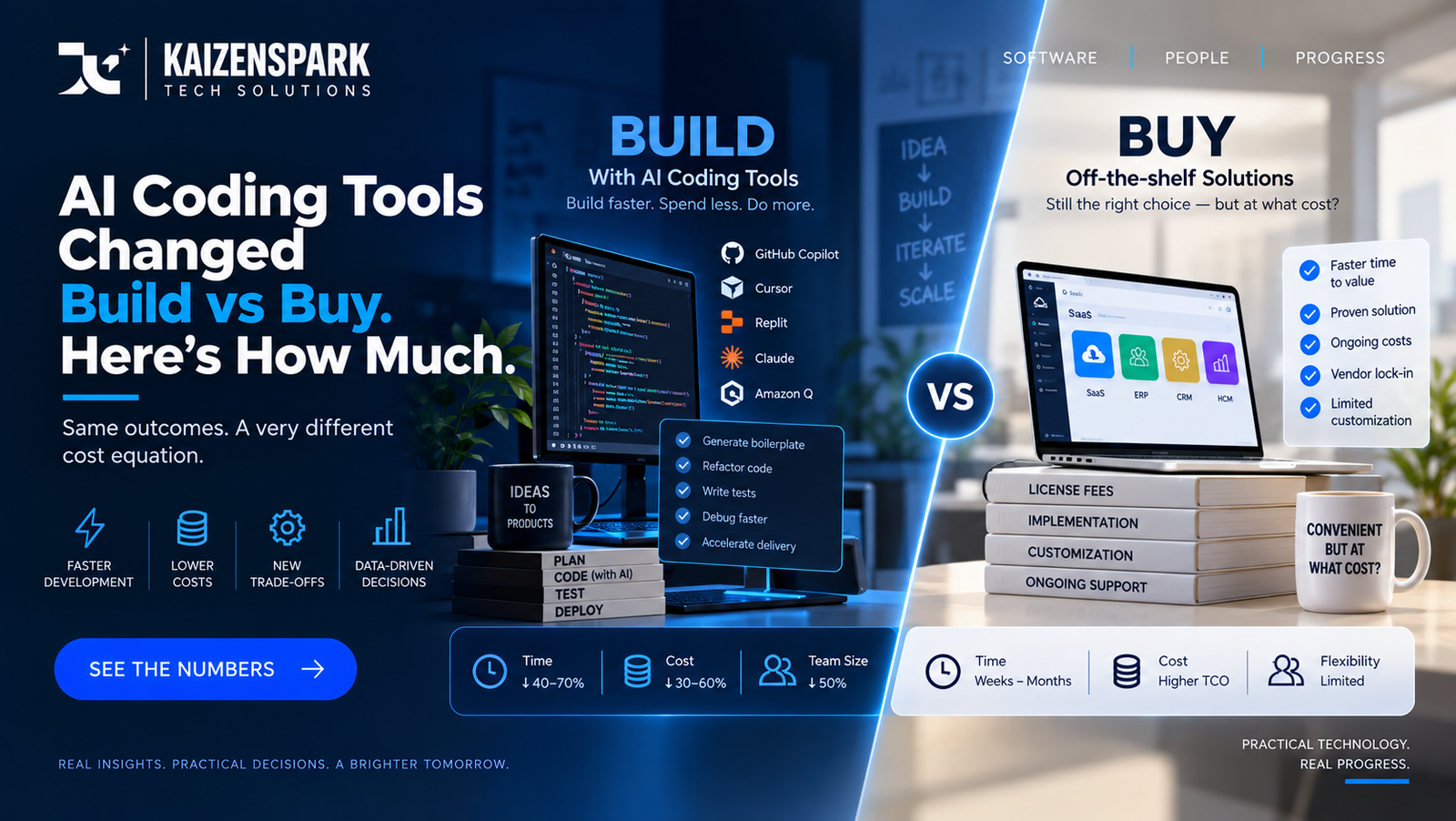
Nearly a third of organisations have now declined to buy software because they could build it in-house with AI coding tools. That changes the calculation — but not in the direction most people assume.
Engineering & Architecturebuild vs buyarchitectureSaaSvendor lock-in
The statistic everyone quotes about outsourcing failure rates comes from a 2003 Gartner prediction with no published methodology. Here is what the peer-reviewed evidence actually says about picking a technology partner.
Business & Enterprisevendor selectionoutsourcingdue diligenceprocurement
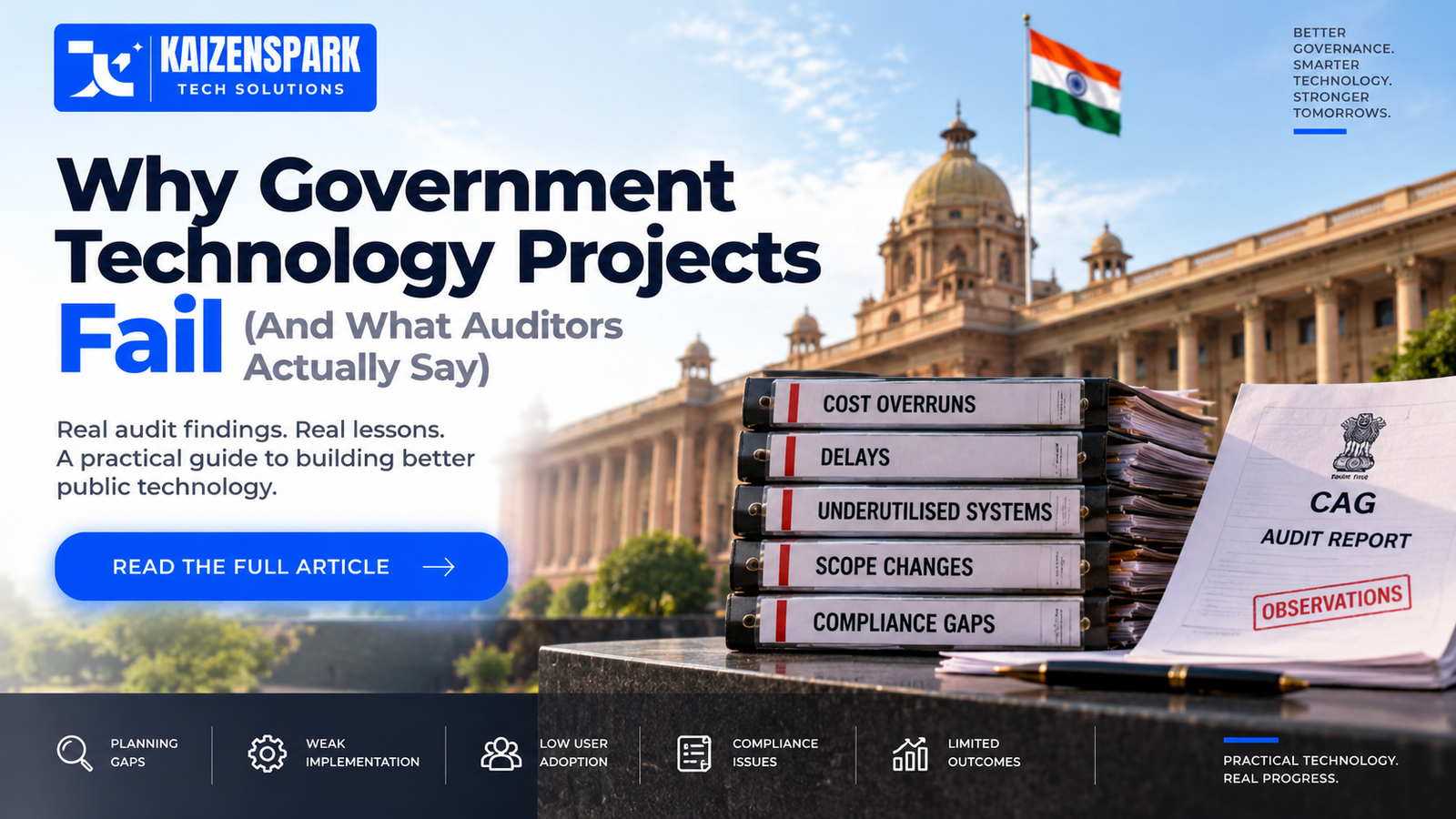
Across five UK digital programmes, supplier arrangements contributed to at least 29 years of delay and £3 billion in cost increases. The auditors were clear about why — and the fix is in how the contract is written, not who signs it.
Government & Public Sectorprocurementpublic sectorcomplianceAI ActDPDP
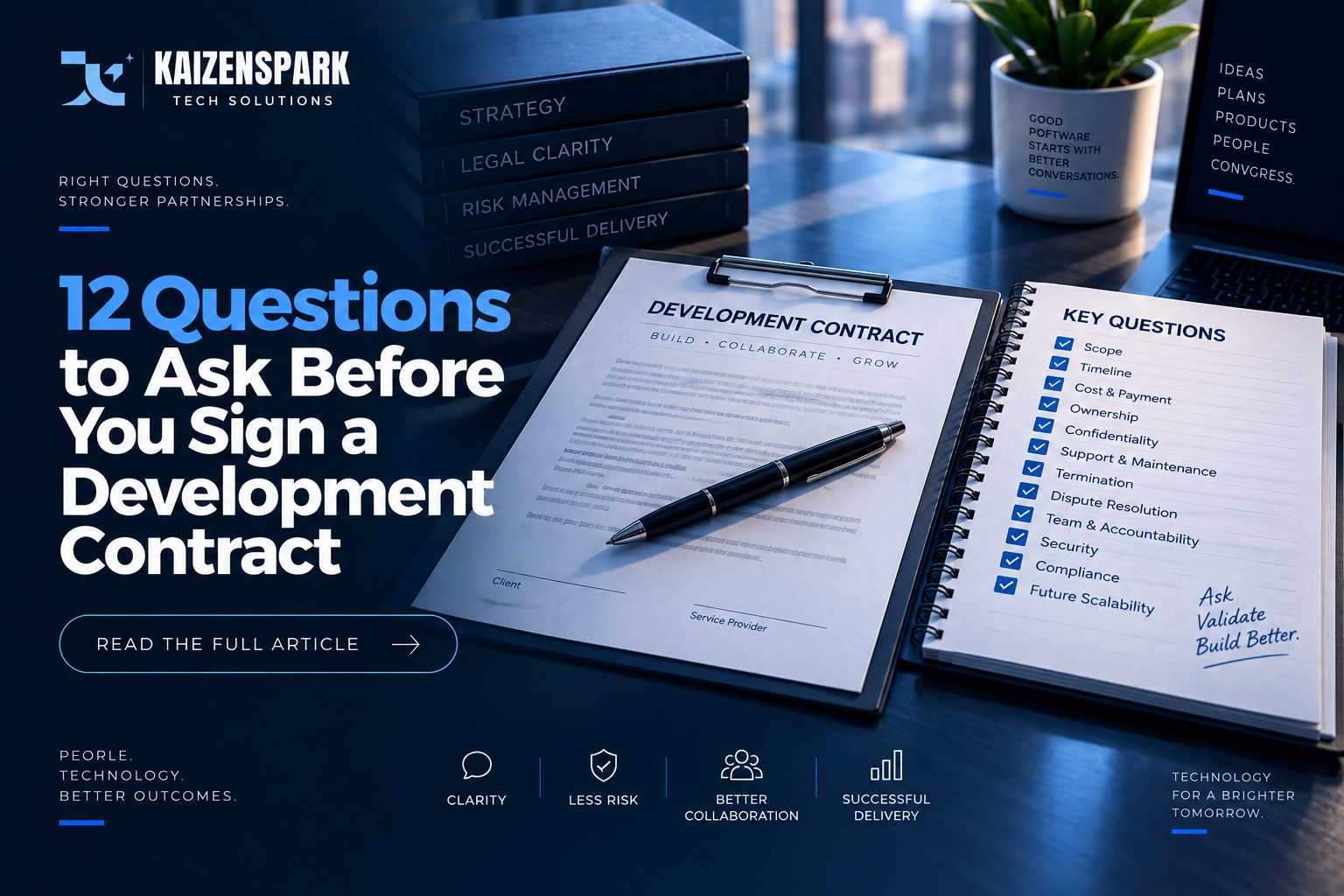
Most of what determines whether a software contract goes well is decided before anyone writes a line of code. These are the questions that actually predict it.
Business & Enterprisevendor selectioncontractsprocurementsoftware development
The GAO could rank the US federal government's legacy systems by risk because it actually looked — at age, language, hardware support and known vulnerabilities. Most organisations modernise the system that is loudest, not the one that is riskiest.
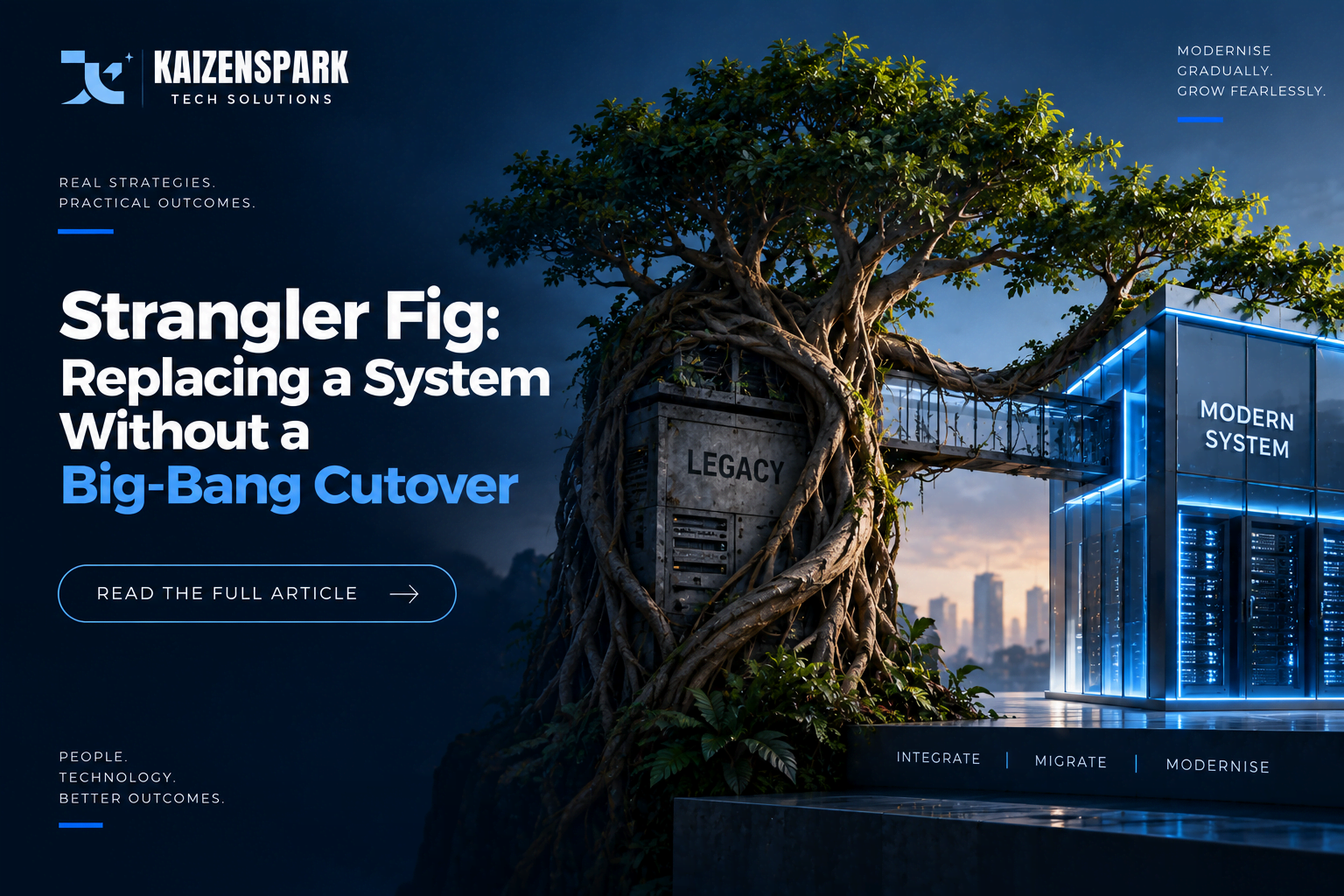
Named after a vine that gradually envelops and eventually replaces its host tree, this pattern lets a new system take over a legacy one piece by piece — so a single bad cutover night can never take down the whole business.
Five UK digital programmes lost at least 29 years and £3 billion to supplier arrangements. The National Audit Office's diagnosis was not incompetence. It was contracts built to buy hours instead of outcomes.
Government & Public Sectorgovernment ITproject failureNAOGAOprocurement
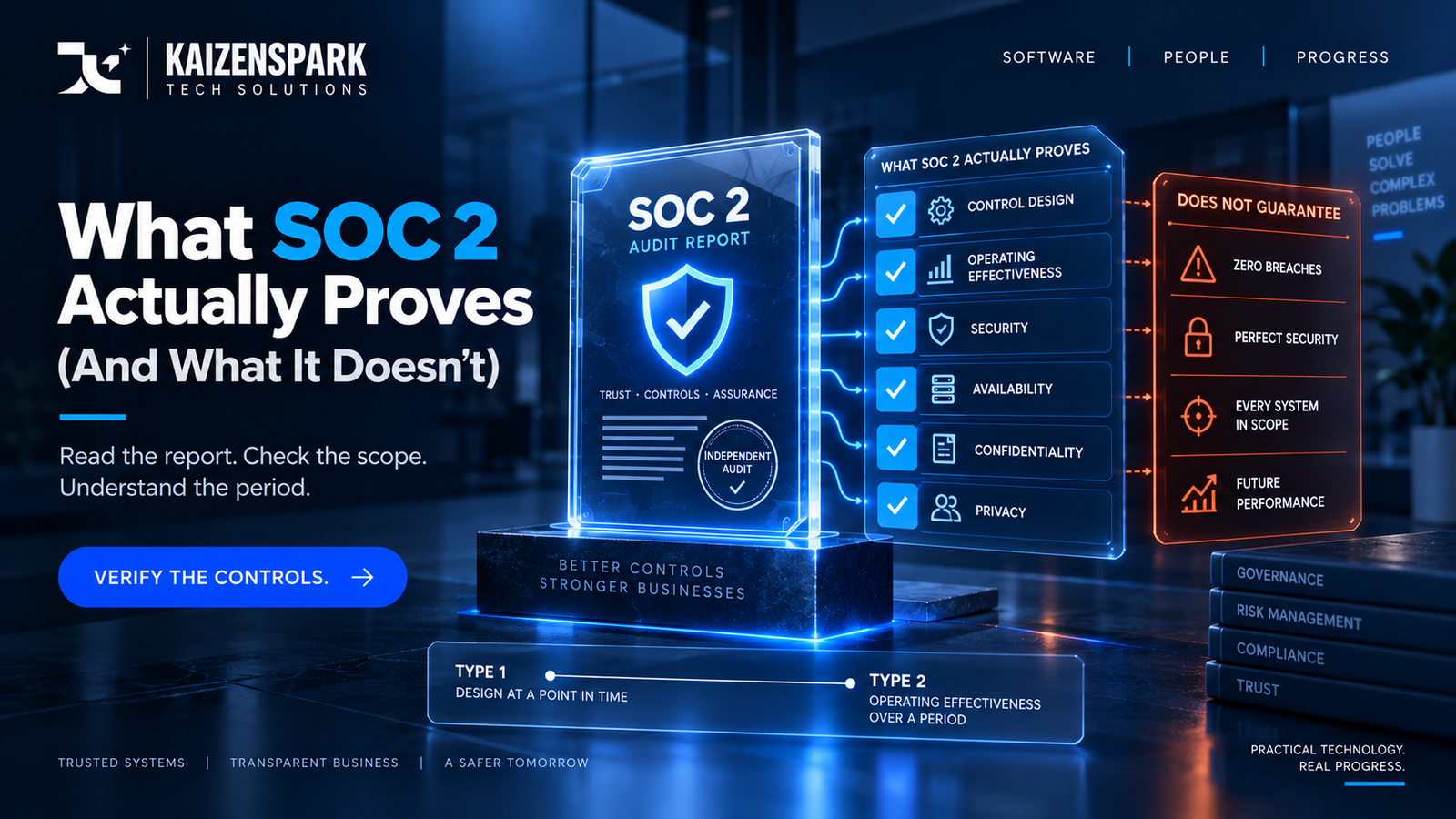
A vendor telling you they are 'SOC 2 certified' has already told you something worth noticing — SOC 2 is not a certification, and the distinction is not pedantry.
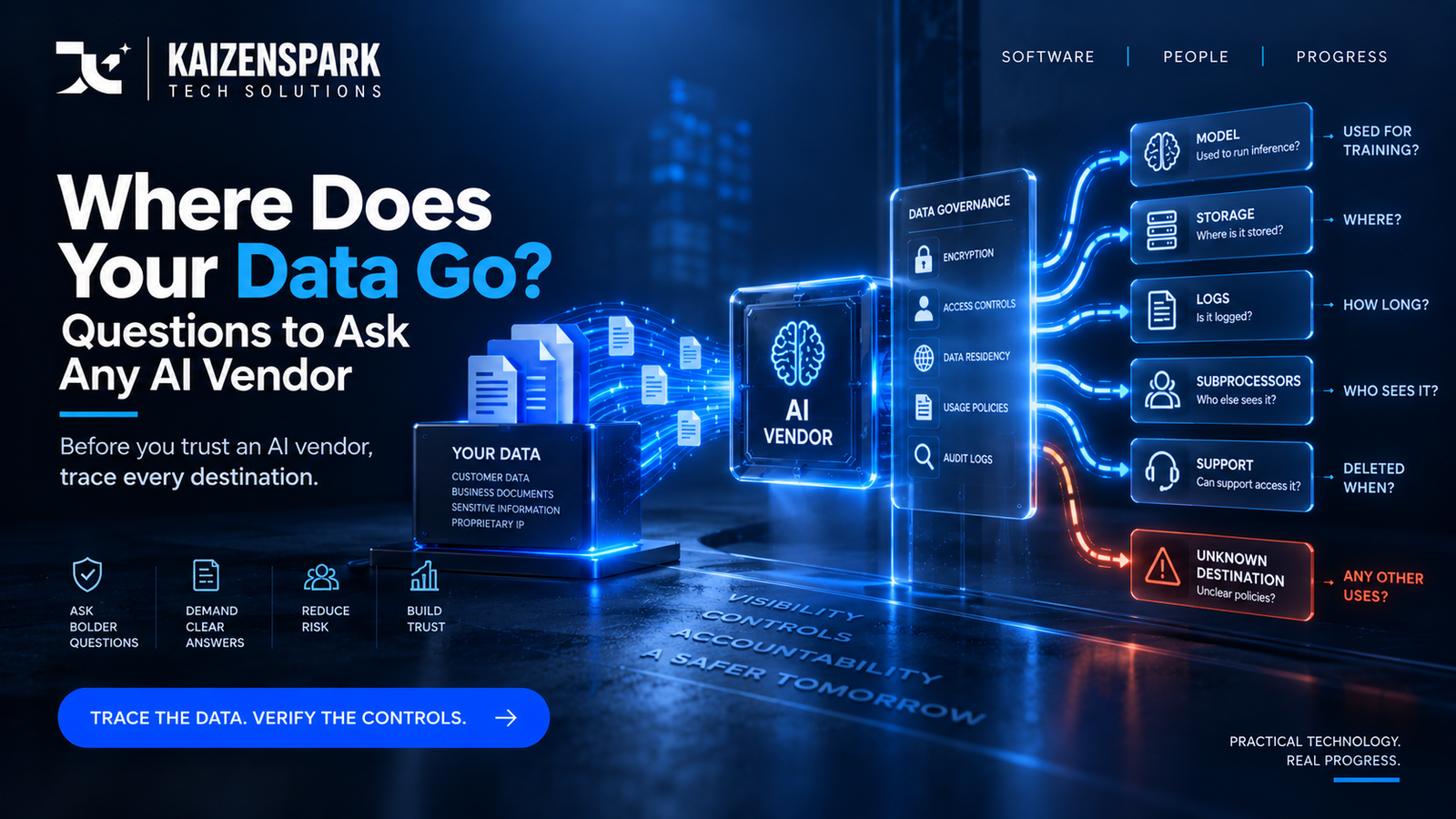
Most organisations adopting an AI tool never actually ask where the data goes after it leaves their system. The answer is usually available. Almost nobody asks for it before signing.
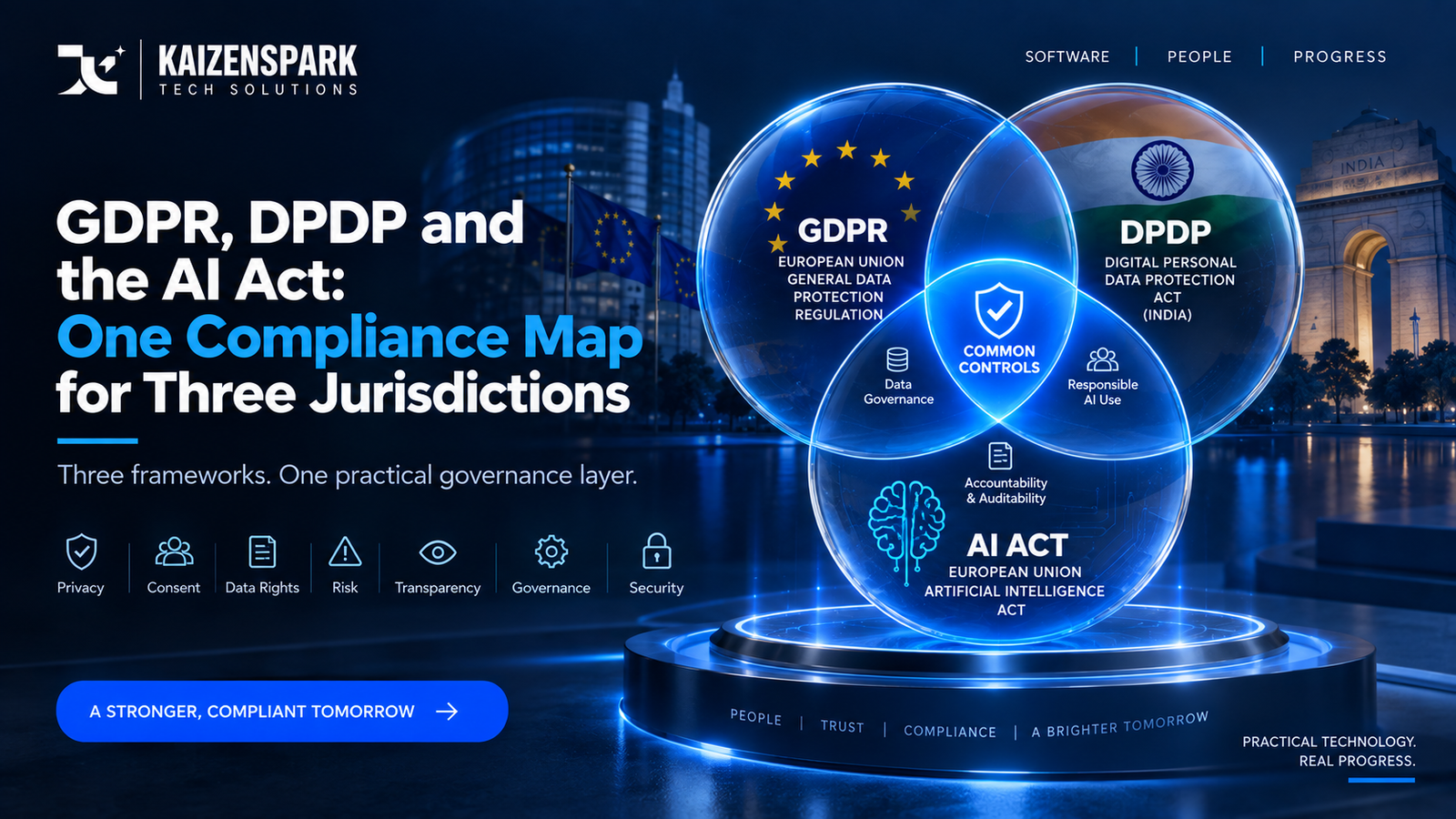
An organisation operating across the EU, India and building with AI is subject to three regulatory regimes simultaneously, each with different definitions and different triggers. Treating them as three separate checklists wastes effort that a single map would save.
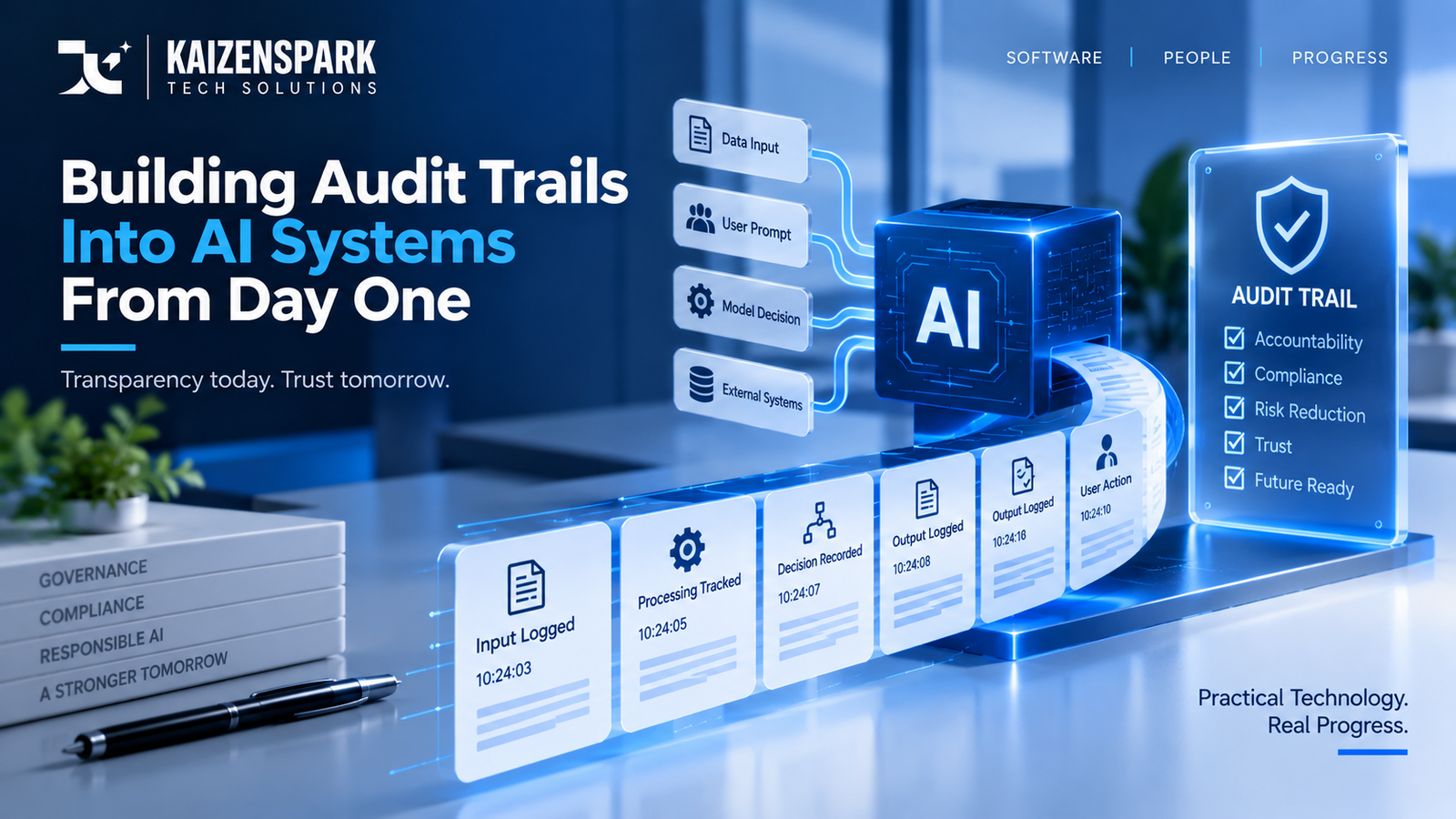
When a regulator, a customer or your own compliance team eventually asks why an AI system made a specific decision, the honest answer is often that nobody can fully reconstruct it. That is a design failure, not an inevitability.
AI & Automationaudit trailsAI governancecomplianceengineering
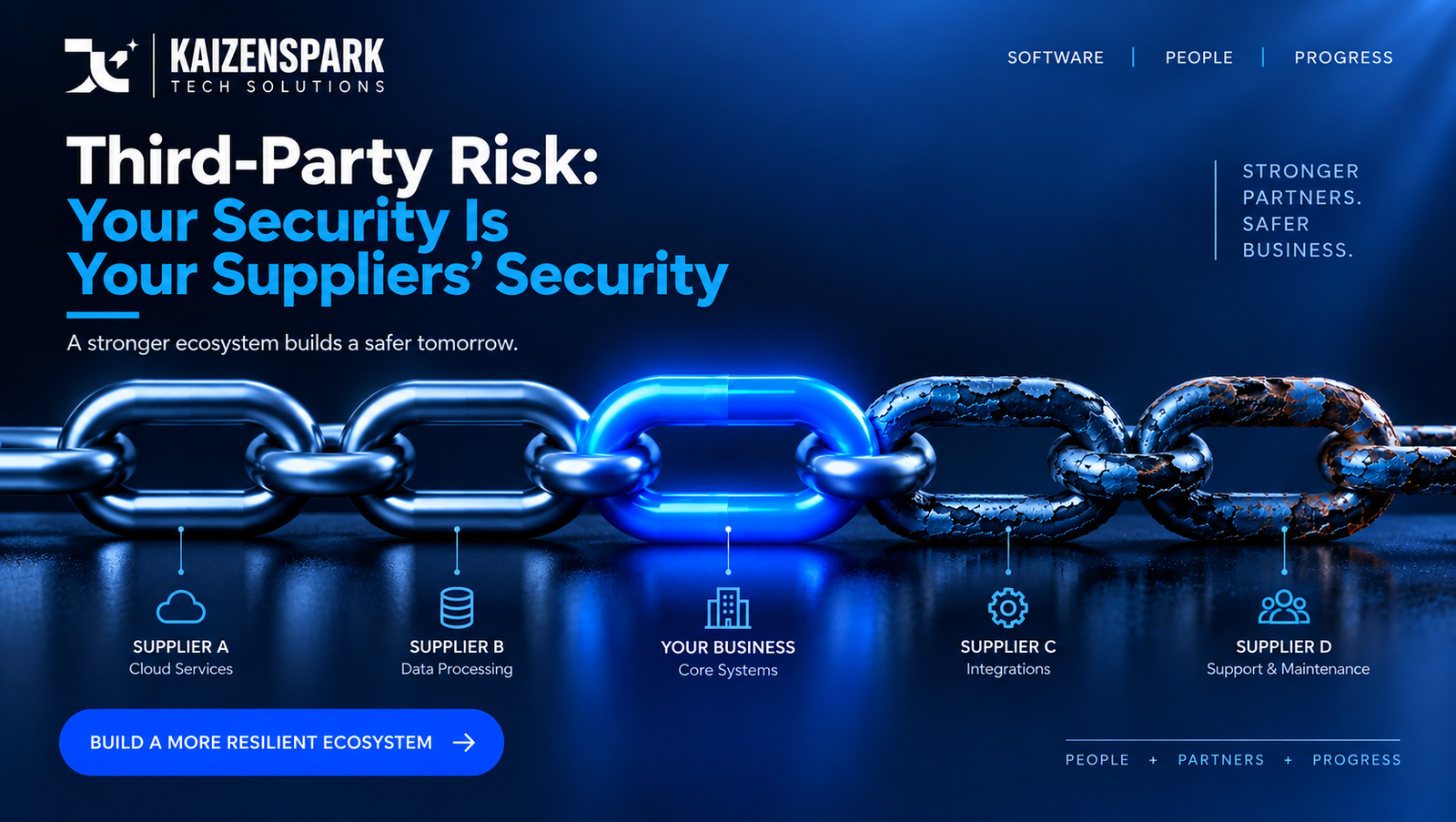
A growing share of breaches now originate through a vendor rather than a direct attack. Your own security controls can be excellent and still not protect you, if the weakest link is a supplier you never properly vetted.
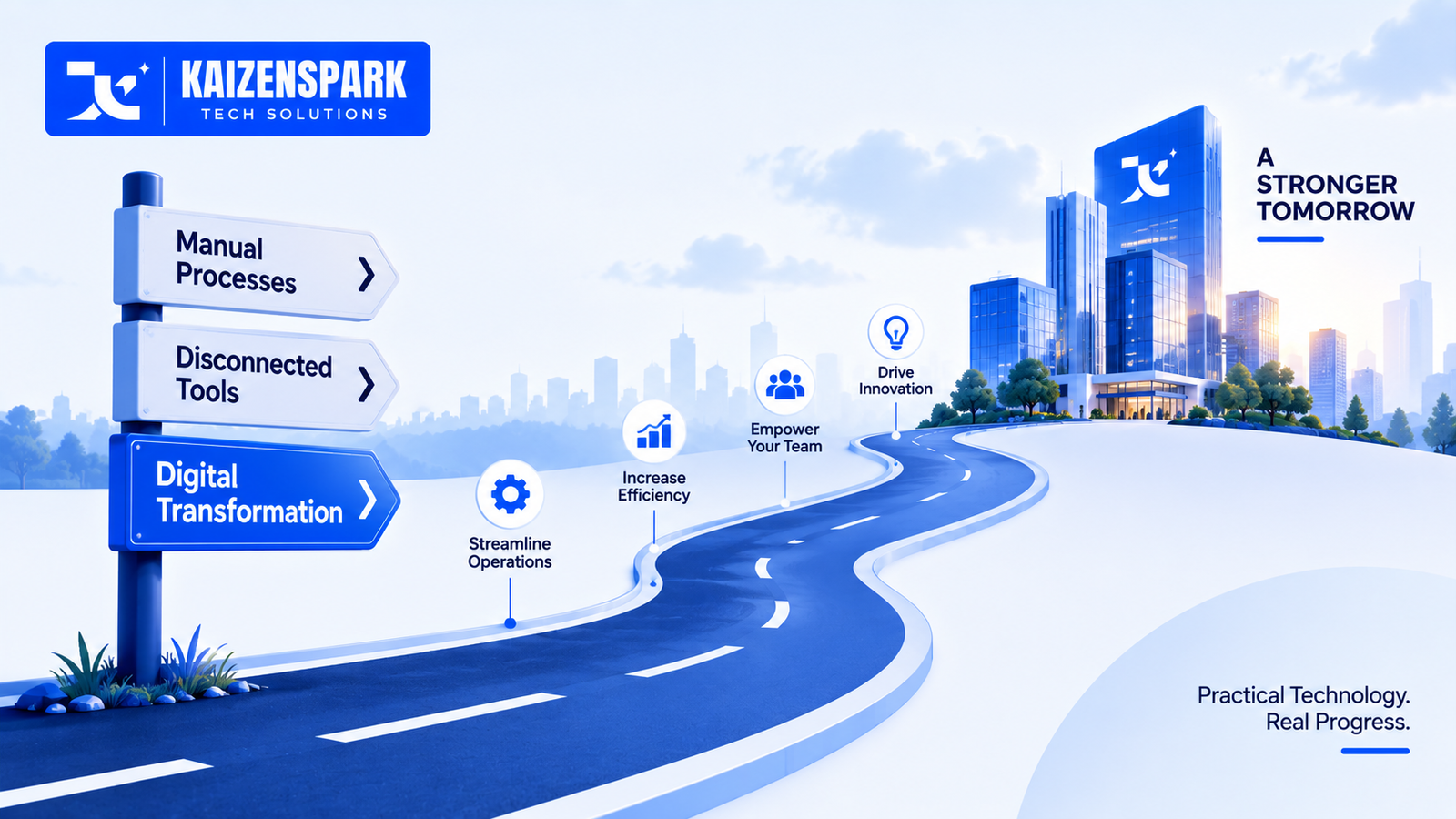
Deloitte's research found mid-sized businesses report meaningfully lower returns from digital investment than large enterprises. The gap is not about ambition. It is about scoping a programme to the resources actually available.
Digital Transformationmid-sized businessdigital transformationSMBbudget
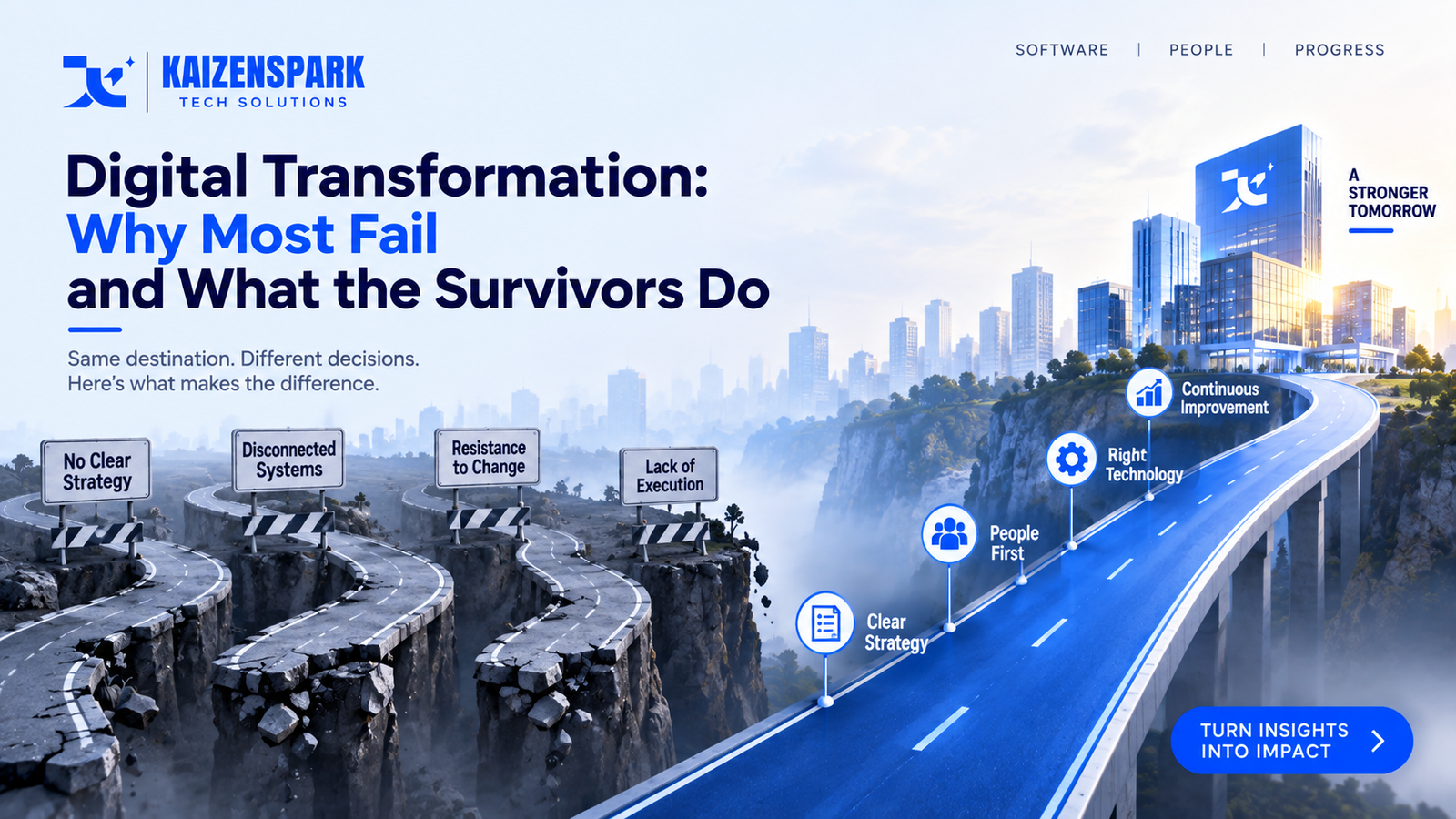
The claim that '70% of digital transformations fail' is repeated constantly and traceable to no credible primary source. The real evidence points somewhere more specific and more fixable: most transformation budgets go entirely to technology, and almost none to redesigning how people actually work.
Digital Transformationdigital transformationchange managementtechnology adoption
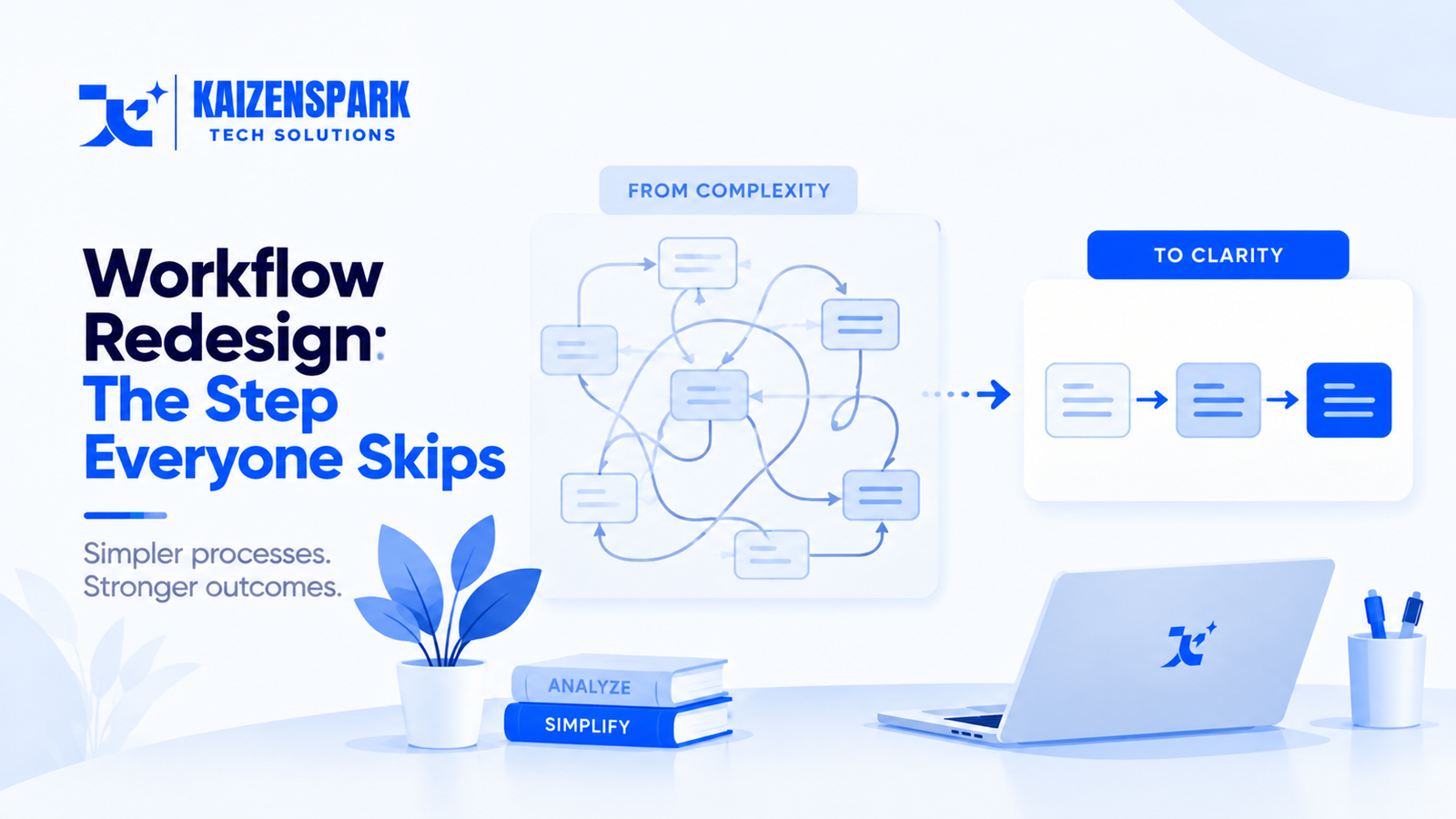
Organisations reporting the strongest bottom-line impact from AI were 2.8 times more likely to have redesigned their workflows than those reporting weaker impact. Almost every transformation budget still goes to the tool rather than to this step.
Digital Transformationworkflow redesigndigital transformationprocess improvement
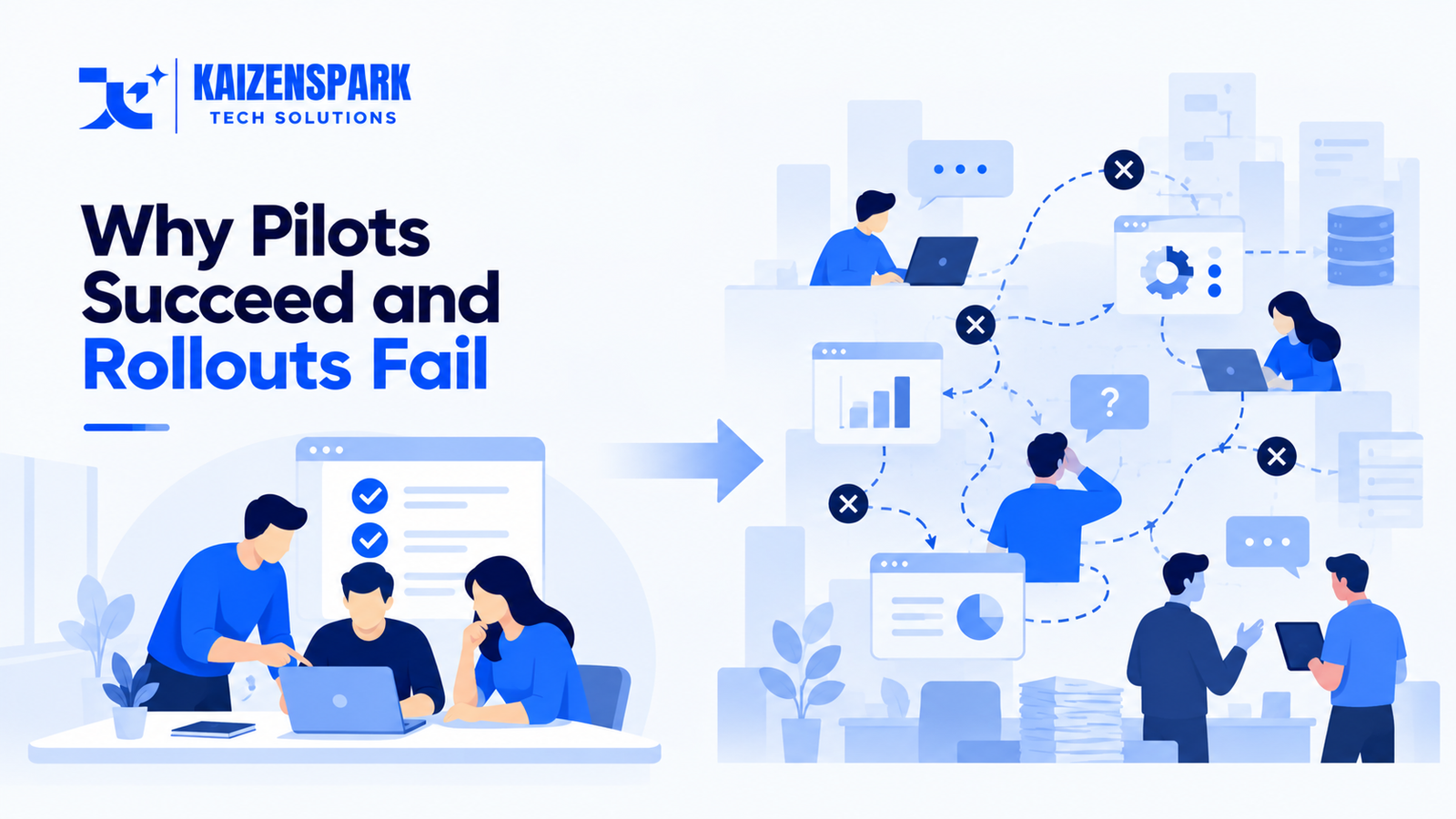
A successful pilot gets celebrated, funded for wider rollout, and then quietly underperforms at scale. McKinsey's manufacturing research has a name for this pattern: pilot purgatory. Here is what actually causes it.
Digital Transformationpilotsscalingtechnology rolloutdigital transformation
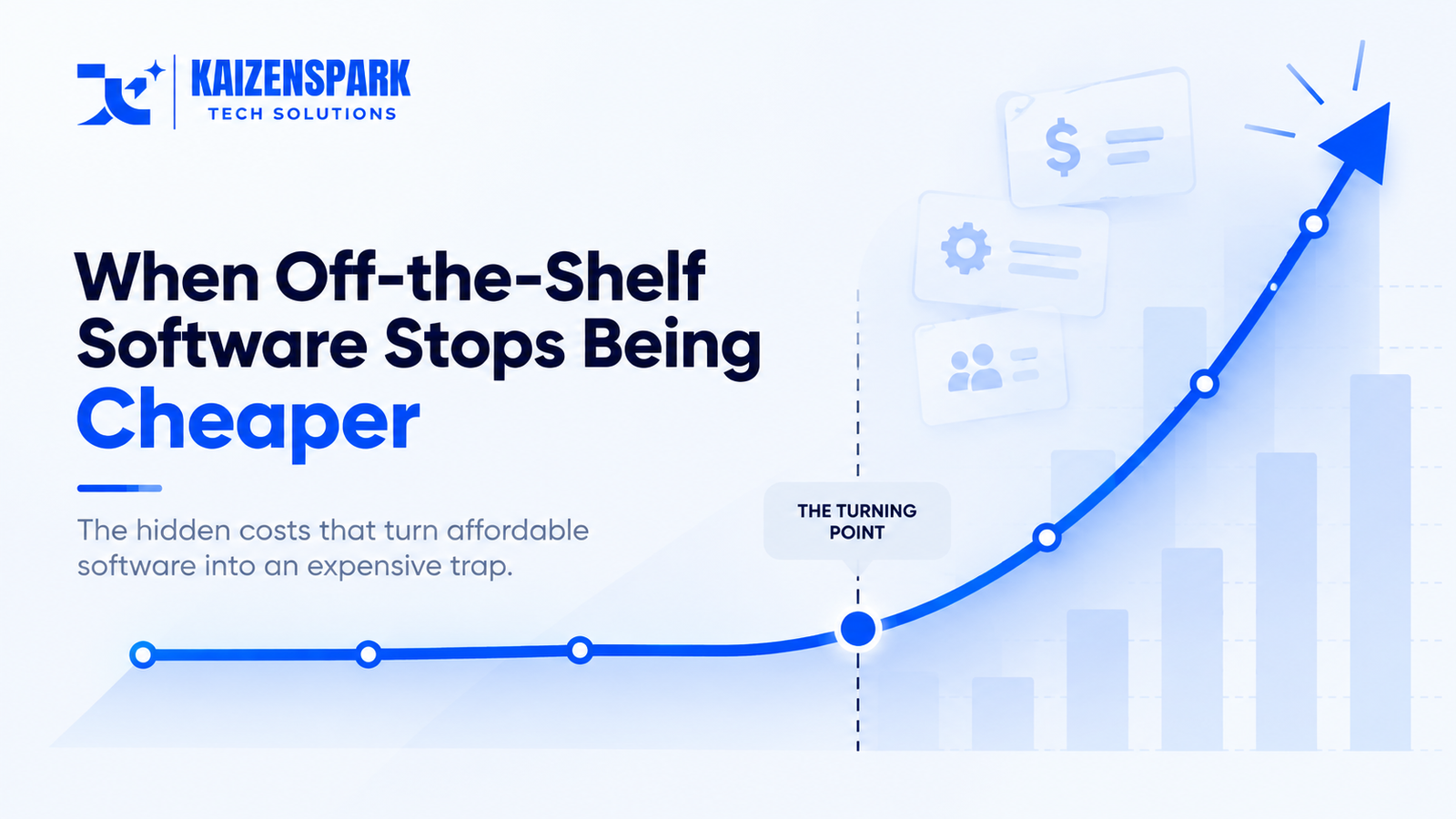
Off-the-shelf software is cheaper right up until the point where making it fit your actual process costs more than building something that fit from the start. Most organisations cross that line without noticing.
Technology Economicsbuild vs buyoff-the-shelf softwaretechnology economicsprocurement
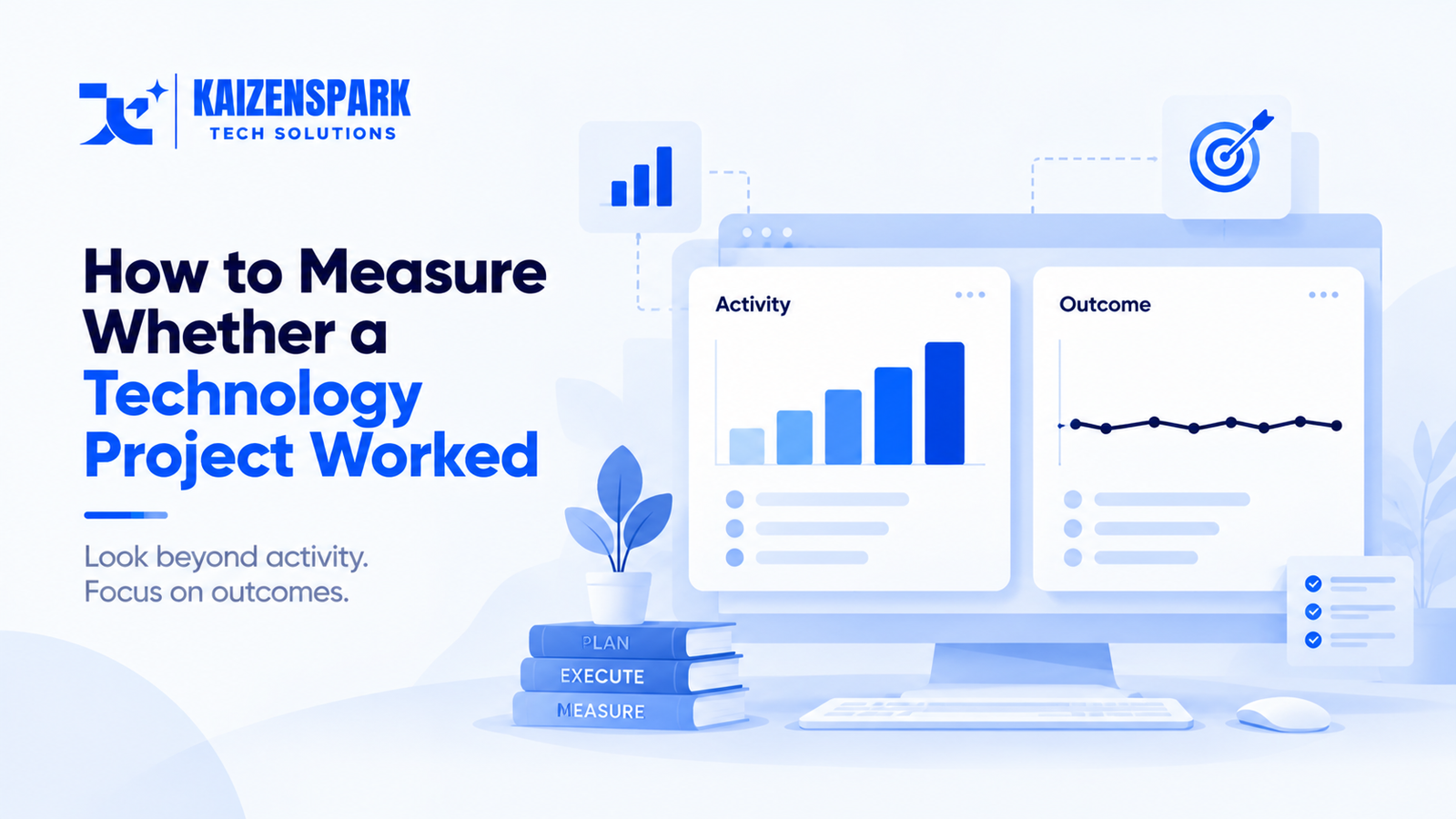
Login counts and adoption rates measure whether people opened the tool. They do not measure whether anything got better. Most organisations only track the first kind of number, and then wonder why the return on investment is hard to demonstrate.
Digital TransformationmeasurementROItechnology adoptionmetrics
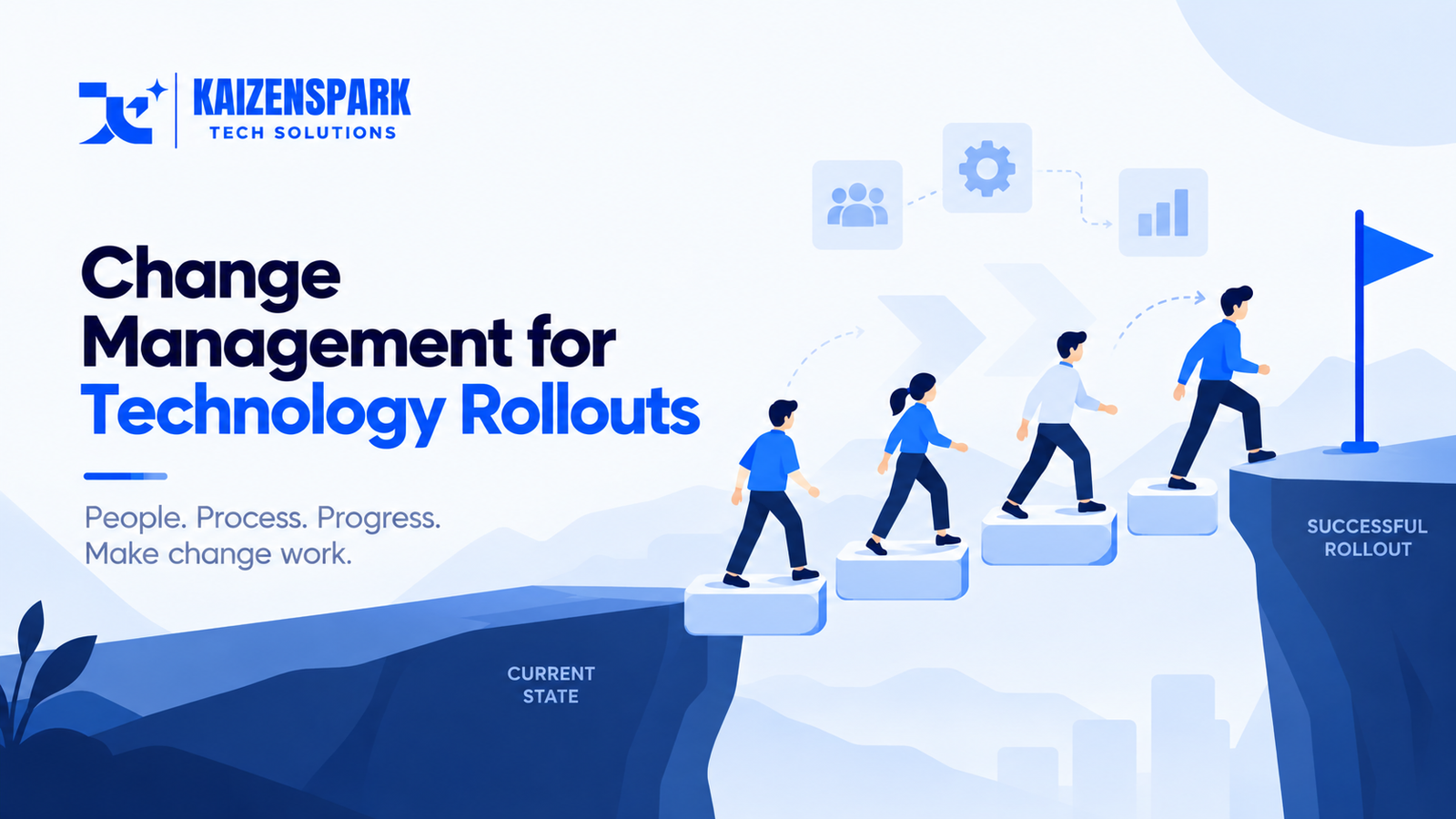
The popular change-management frameworks are frequently cited as settled science. Most of the specific statistics behind them come from the vendors selling the framework — which doesn't make them useless, but does mean they should be read as marketing-adjacent rather than independently verified.
Digital Transformationchange managementtechnology rolloutadoptionADKAR
Heavy customisation of a commercial platform is the worst of both worlds: you pay licence fees like a buyer and maintenance costs like a builder, while owning neither the product roadmap nor your own codebase.
Technology Economicscustomisationplatform riskbuild vs buytechnology economics
Nearly a third of organisations have now declined to buy a software product because they could build the functionality in-house using AI coding tools. That is a real, measured shift — and it changes less about the decision than the headline suggests.
AI & AutomationAI coding toolsbuild vs buyagentic codingsoftware development
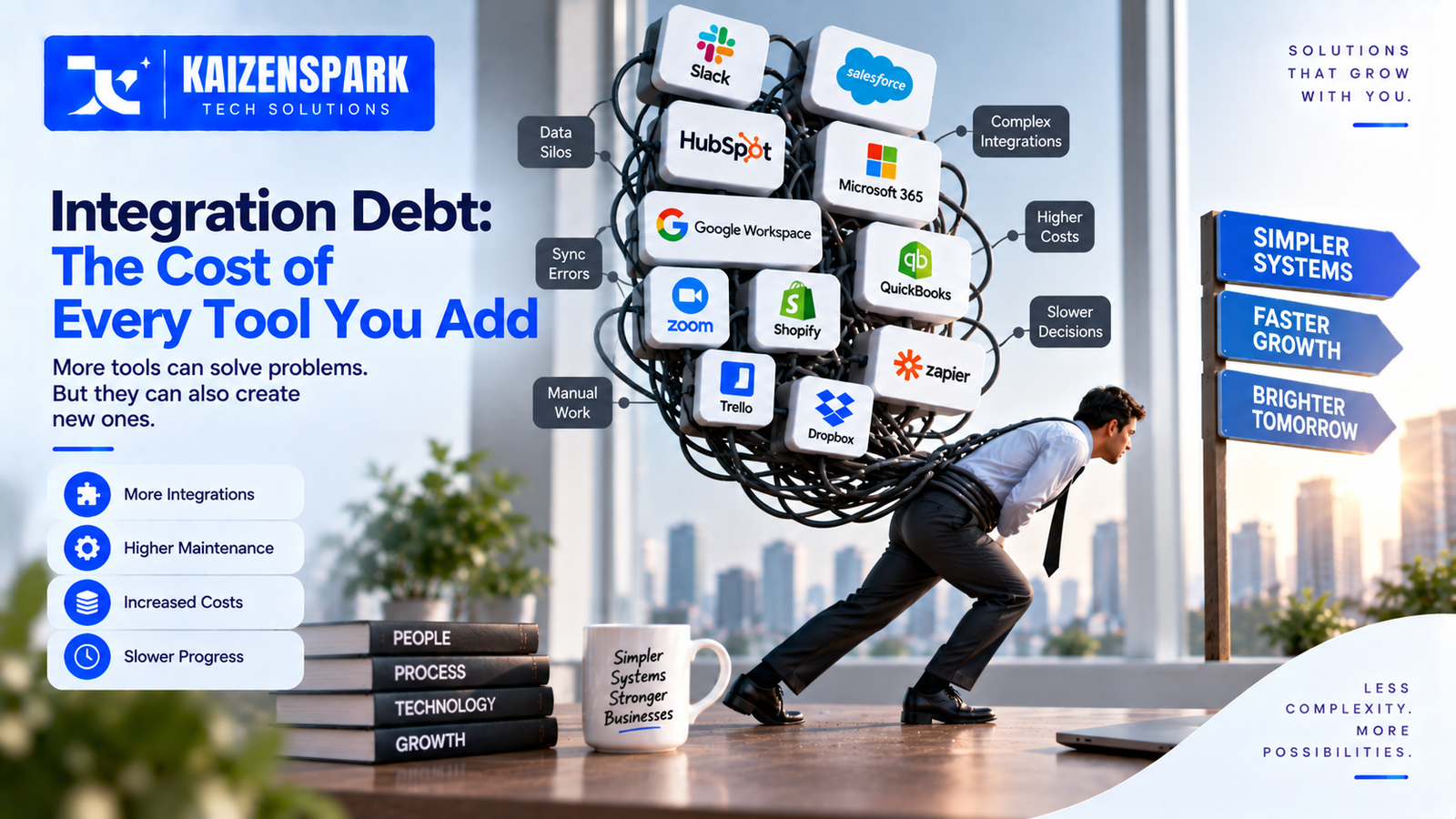
Every tool in your stack has to talk to the others, and each connection needs maintaining as both ends change independently. A decision that looks cheap in isolation — one more tool — can be expensive in aggregate, and almost nobody counts the aggregate.
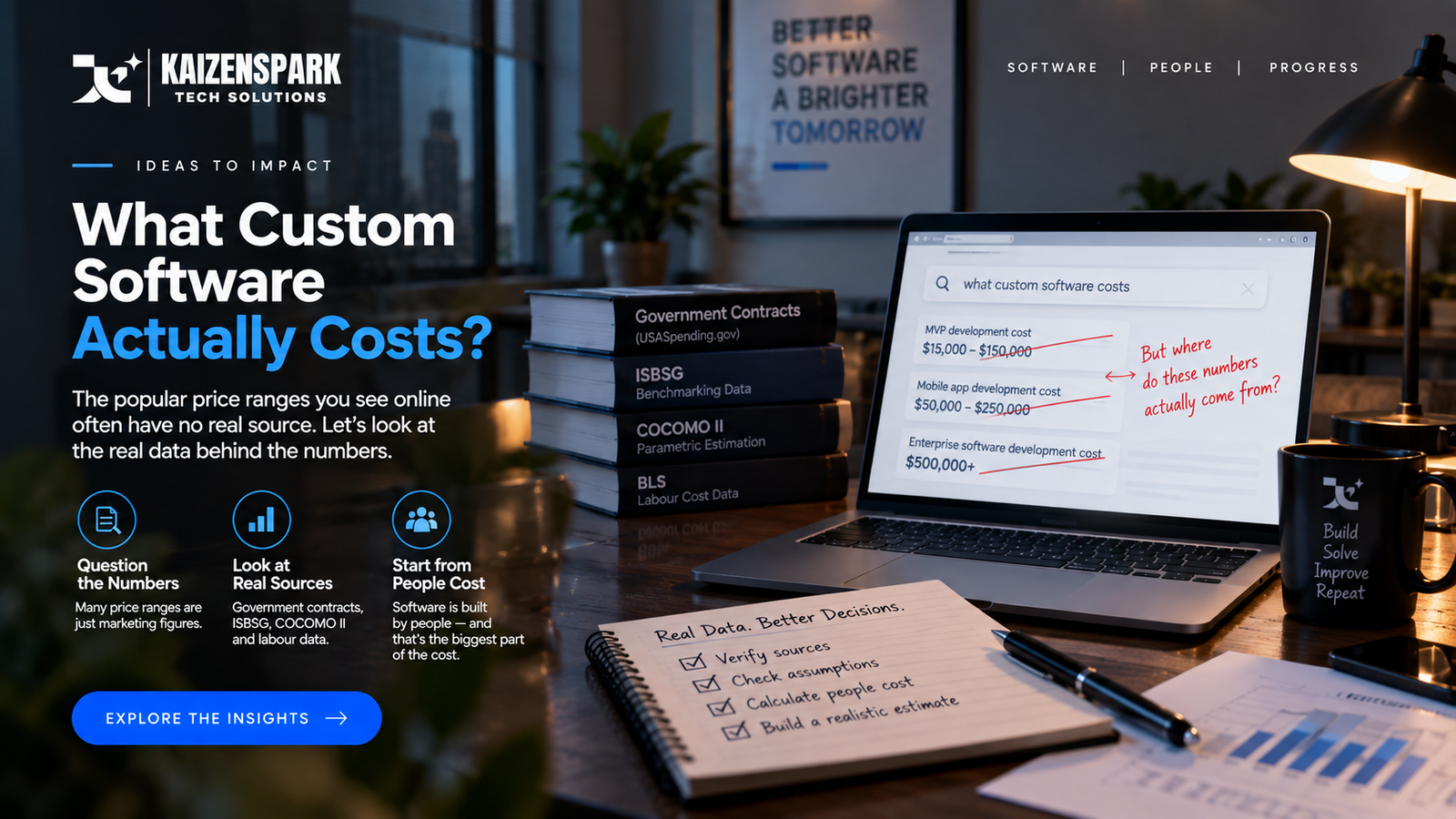
Every "$50,000 to $250,000" price range you have read comes from a software agency's marketing page. None of them publish a sample, a method, or a source. Here is how to work out the number yourself.
Technology Economicssoftware costtotal cost of ownershipestimationprocurement
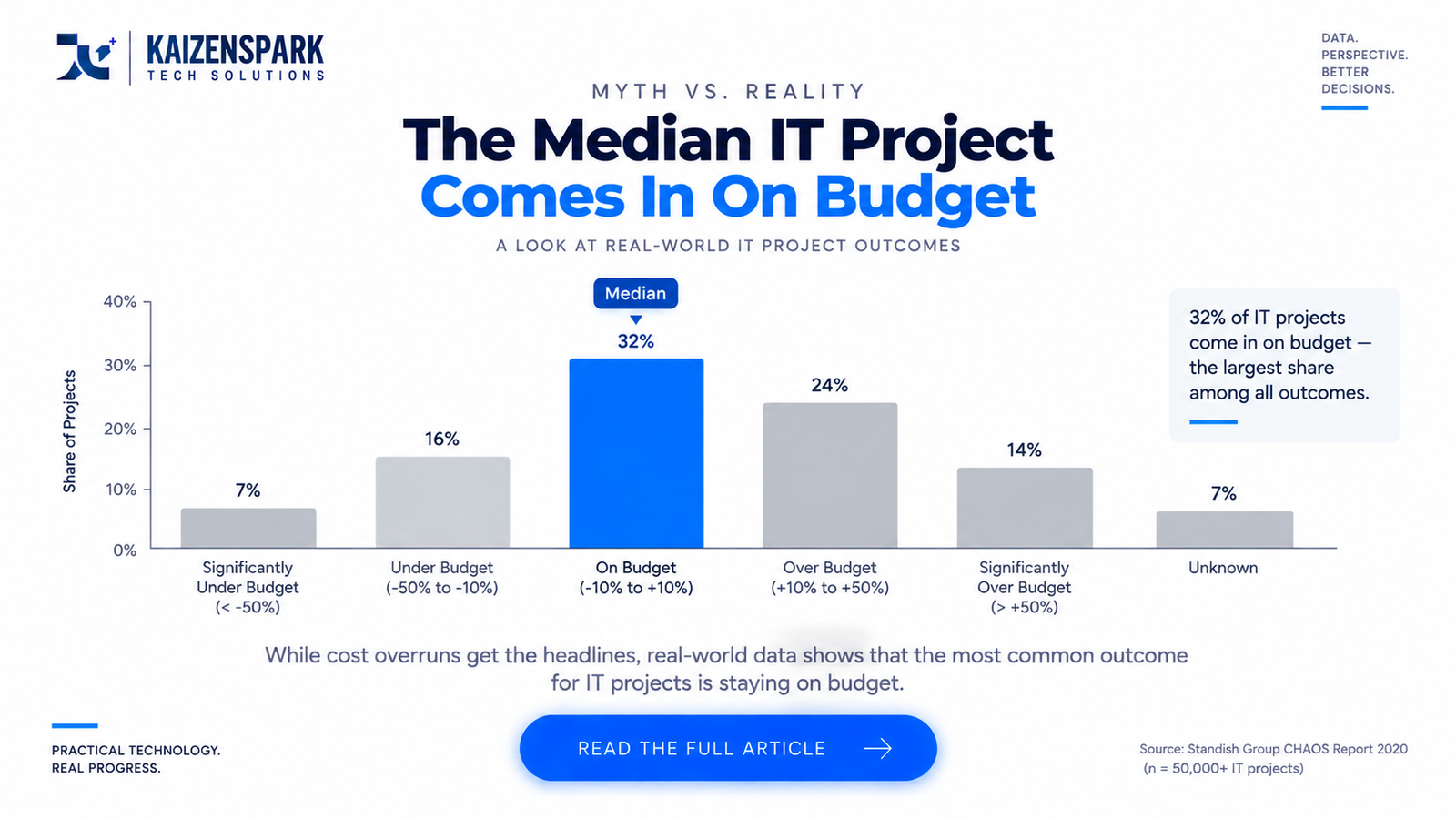
Everyone in this industry quotes the same statistic. Some version of most software projects fail, and the average one runs wildly over budget. It is repeated in board papers, vendor decks and procurement business cases, usually traced back to the Standish Group's CHAOS report.
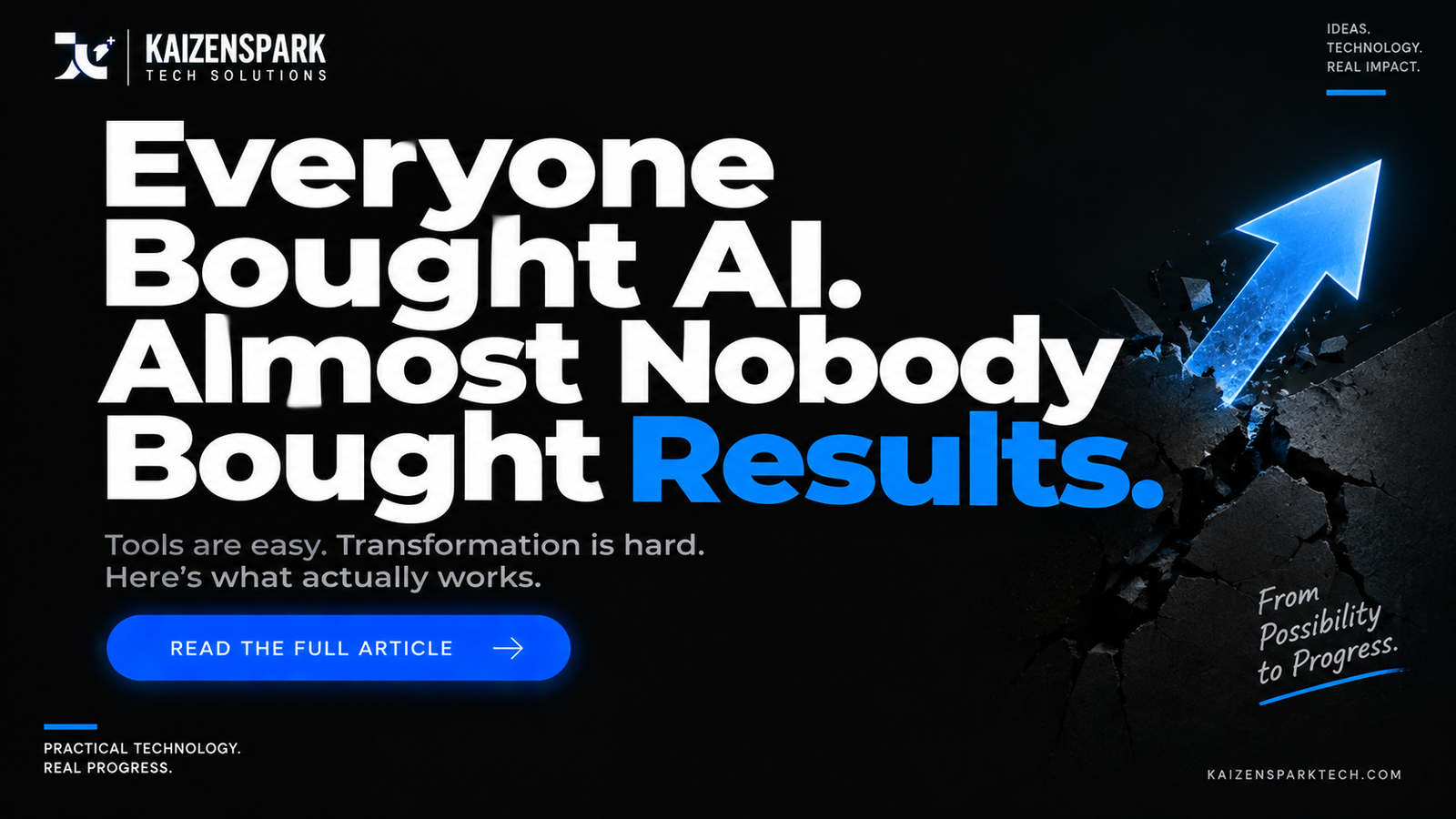
Nine in ten organisations now use AI — yet only about 6% report significant earnings impact from it, and while 64% of OECD countries run generative AI, fewer than a third measure whether it worked. Here is what separates the two groups, and how Kaizen Spark Tech builds for the second one.
AI & AutomationGovernment & Public SectorTechnology EconomicsDigital Transformation
Treated as a real platform — version control, error handling, quota awareness — Apps Script carries more production load than people expect. And where it stops.
Architecture notes, environment setup, runbooks and secret rotation. The test: can an engineer who never worked on the project operate it without a meeting?
Automation multiplies whatever it is pointed at. Three situations where we tell clients to fix the process first and quote for less work than they asked for.
Per-message pricing, template categories, BSP markup and the line items most WhatsApp quotes leave out. Written for people budgeting a build, not buying a demo.
Everything here is written and published through the client portal rather than hand-coded into
the site, so what appears on the blog is whatever has actually been published — never a card
that outlived the piece it pointed at.
Considering a build? Describe the process and we will come back with a
scope and a cost range — including if our view is that software is not the right answer.Get a rangeMessage on WhatsApp